

Top 5 renovations that add value to an old house
Which projects pay back on a 100-year-old Greater Boston house? Five picks from a Somerville builder, with Boston cost recovery data and what to skip.
 Mateus Magno
Licensed Construction Supervisor · November 15, 2026 · 7 min read
People ask me some version of this every week: "What should I fix to make my house worth more?" In Somerville, Cambridge and the older Boston suburbs, the house in question is usually a triple-decker, a Victorian or a colonial built a century ago.
Old houses play by slightly different rules. Buyers love the character. They are also nervous about what's behind the plaster. So the projects that pay back are a mix of what buyers see and what their inspector finds.
Here are my top five, with real cost recovery numbers and the old-house problems to watch for in each.
How I picked these five
I started with two national studies. The first is the 2025 Cost vs. Value report for Boston, from Zonda and the Journal of Light Construction. It's the latest edition I could find as of November 2026. The second is the 2025 Remodeling Impact Report from the National Association of Realtors, which only gives national numbers.
Two honest warnings before the list:
- Most projects recover less than they cost. In the Boston numbers, only 6 of 28 projects came back above 100%. Many landed between 40% and 70%.
- These are estimates. Both studies ask real estate professionals what a project adds at resale. They don't track actual sales of your street.
So "value" here means three things: a higher price, a faster sale and fewer deductions after the buyer's inspection. On an old house, the last two matter as much as the first.
The five at a glance
| Project | Typical cost recovery | Why it matters on an old house |
|---|---|---|
| 1. Modest kitchen refresh | About 119% (minor midrange remodel, Boston 2025) | A tired kitchen makes the whole house feel like a project |
| 2. Bathroom update or a second bath | About 65% to update, 43% to add one (Boston 2025) | Many old houses still have one bathroom for three bedrooms |
| 3. Entry door, siding and porch | About 174% for a steel entry door, 117% for fiber-cement siding (Boston 2025) | Buyers decide how the house was cared for from the sidewalk |
| 4. Fixing what inspectors flag | Not measured in either study | Old wiring, sagging floors and lead paint turn into price cuts |
| 5. Insulation, air sealing and heating | About 82% for a heat pump conversion (Boston 2025); insulation not measured | Uninsulated walls and old boilers mean high bills and cold rooms |
1. A modest kitchen refresh, not a gut
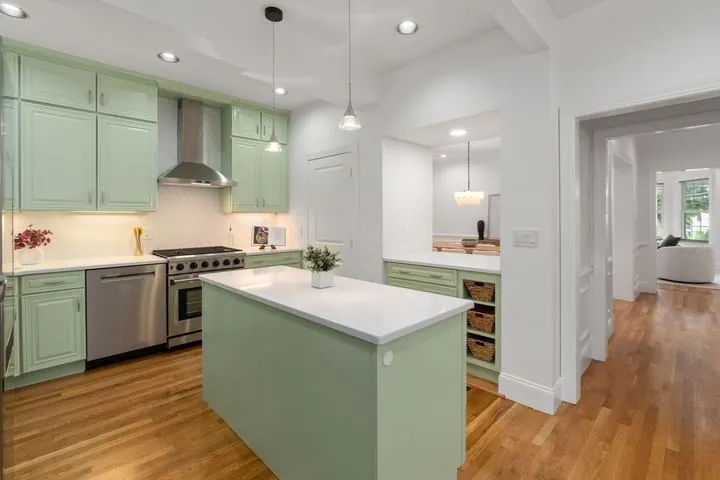
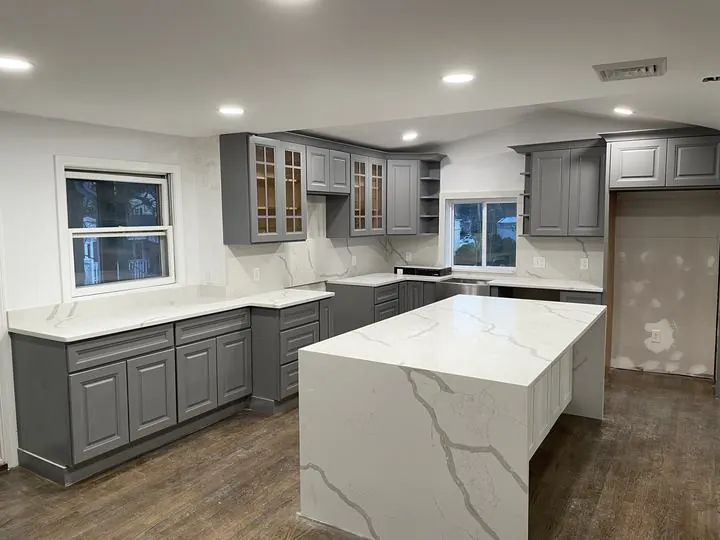
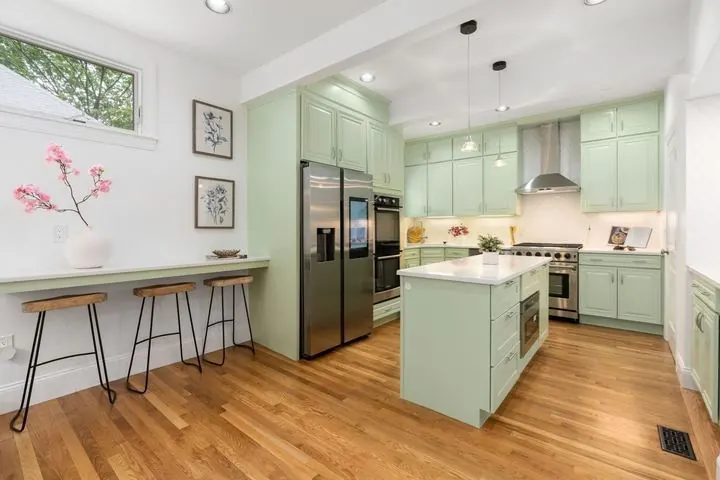
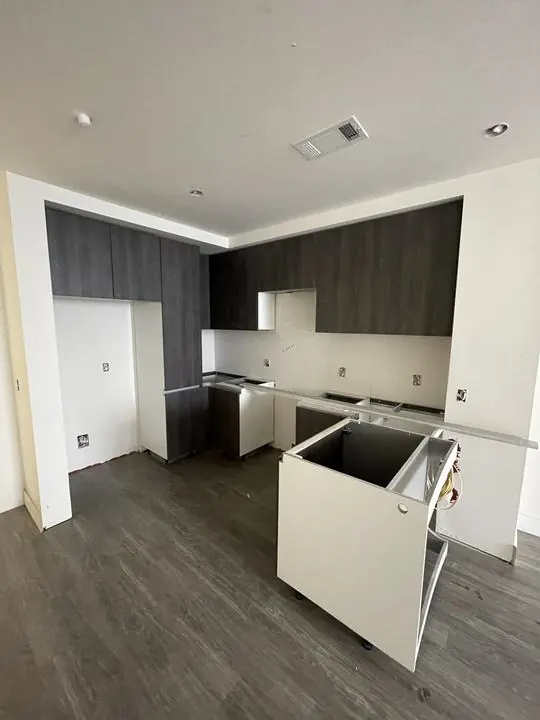
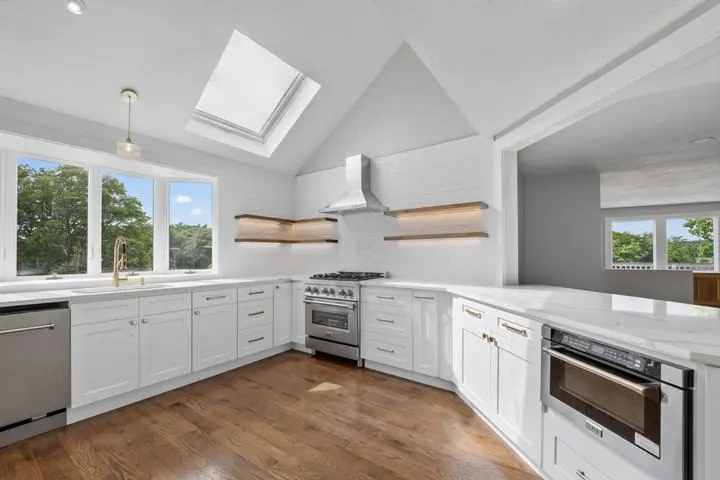
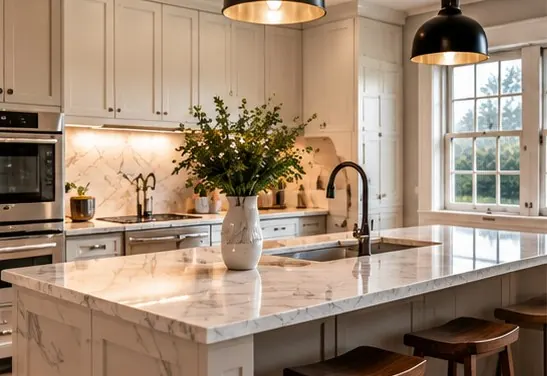
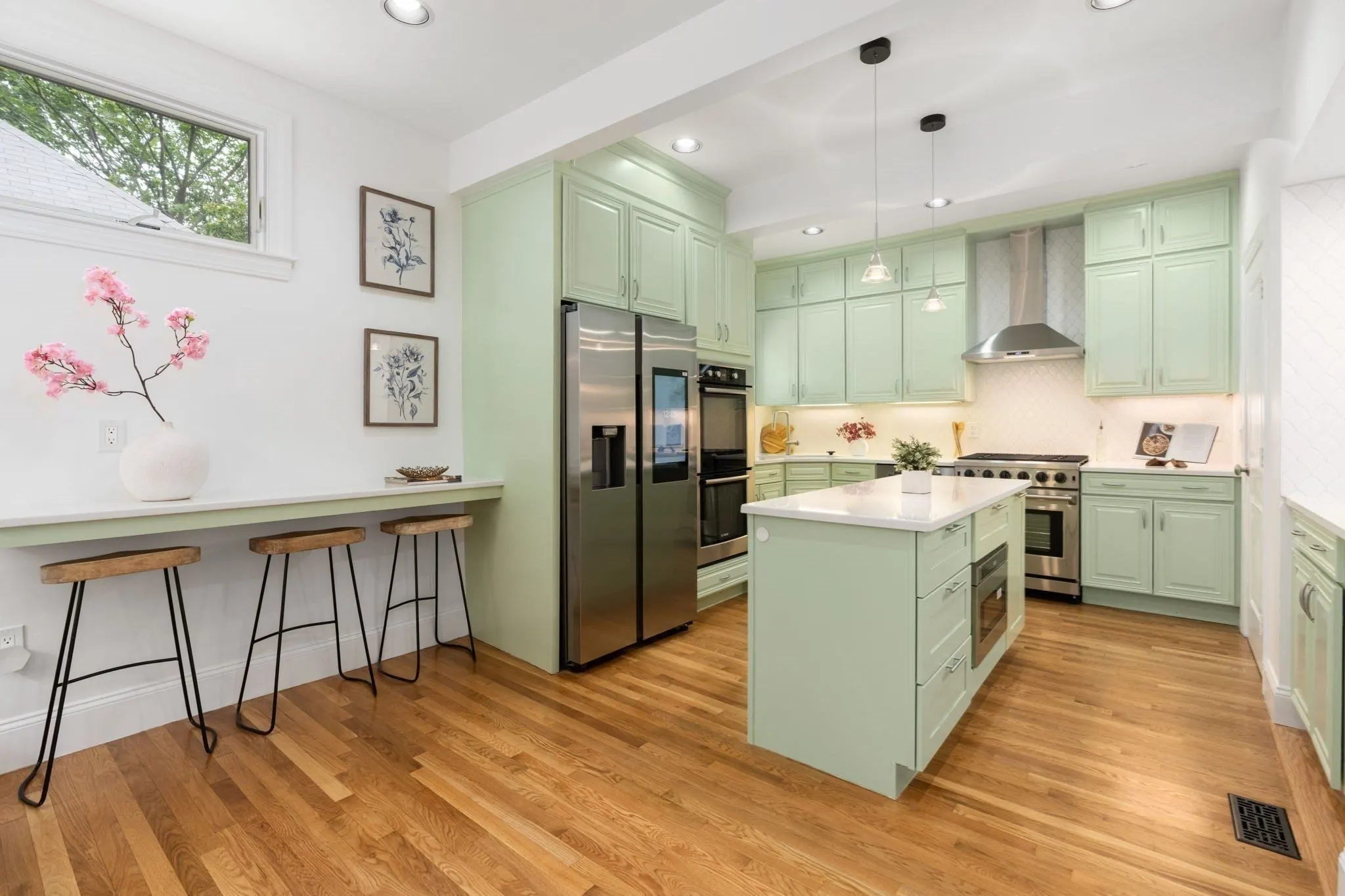
This is the clearest result in the data. In Boston, a midrange minor kitchen remodel cost about $28,991 and added about $34,565 at resale, roughly 119%. A midrange major remodel recovered about 41%. An upscale major remodel recovered about 28%.
A minor remodel in the report means keeping the layout. Think new cabinet fronts, counters, sink, faucet, appliances, lighting and flooring. NAR's national survey is less generous, at 60% for both a minor upgrade and a complete renovation, but it points the same way. Spend carefully.
What to watch for in an old house:
- Floors and walls that aren't level or plumb. New cabinets show every dip.
- Old wiring behind the cabinets. Kitchens need several dedicated circuits now.
- Walls you want to open may be bearing. Read what removing one involves first.
If your boxes are solid, refacing instead of replacing can keep this in "minor" territory. For full budgets, see my kitchen remodel cost guide.
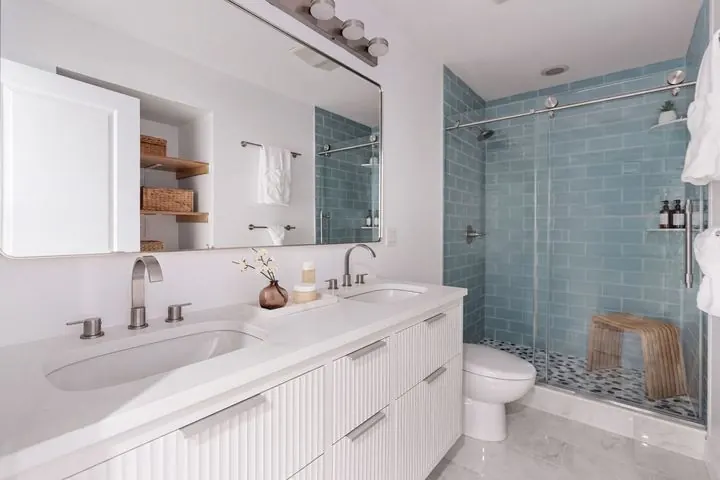
2. A second bathroom, or a better first one
A lot of old houses here were built with one bathroom. A four-bedroom colonial with one bath is a hard sell to a family. A second bath, even a half bath, often widens the pool of buyers.
The numbers are modest. In Boston, a midrange bath remodel recovered about 65%, and a midrange bathroom addition about 43%. Nationally, NAR put a bathroom renovation at 50% and a bathroom addition at 56%. The payback is less about the percentage and more about whether the house works for the people likely to buy it.
What to watch for in an old house:
- Old cast iron drains and galvanized supply pipes. Plan to replace what you open.
- Joists that past plumbers notched or cut. This is a common cause of sagging floors near bathrooms.
- Where the drain can go. A spot near the existing stack is usually much cheaper.
See what adding a bathroom costs, what a half bath costs and my bathroom remodel cost guide.
3. The front of the house: door, siding and porch
Exterior projects top the Cost vs. Value list every year. In Boston, a steel entry door replacement recovered about 174%, fiber-cement siding about 117% and vinyl siding about 96%. A garage door came in highest at about 284%, though many city houses here don't have one.
Windows recovered less, about 70% for vinyl and 68% for wood in Boston. Replace windows that are rotted or failing. Don't expect them to pay for themselves at sale.
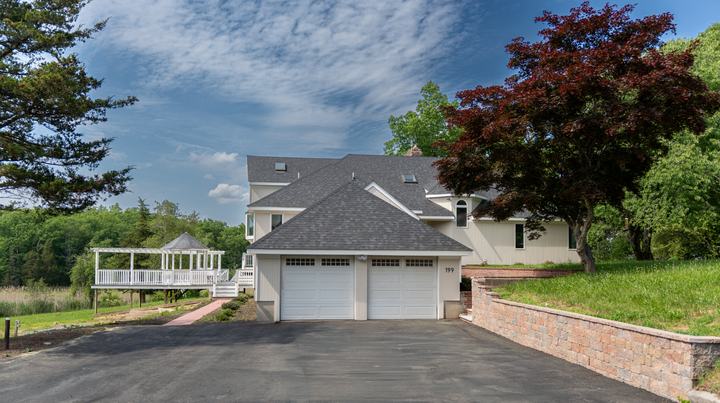
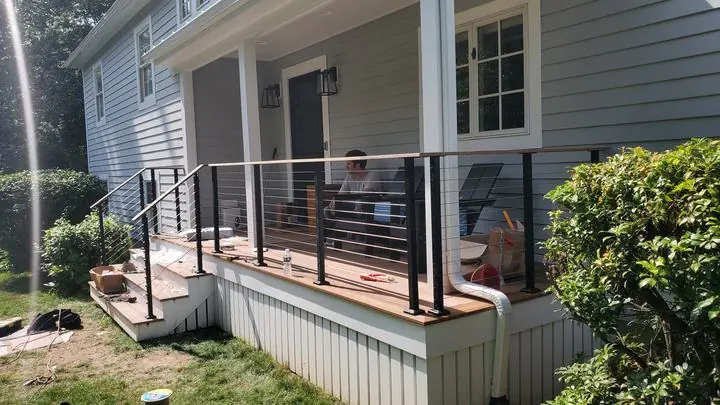
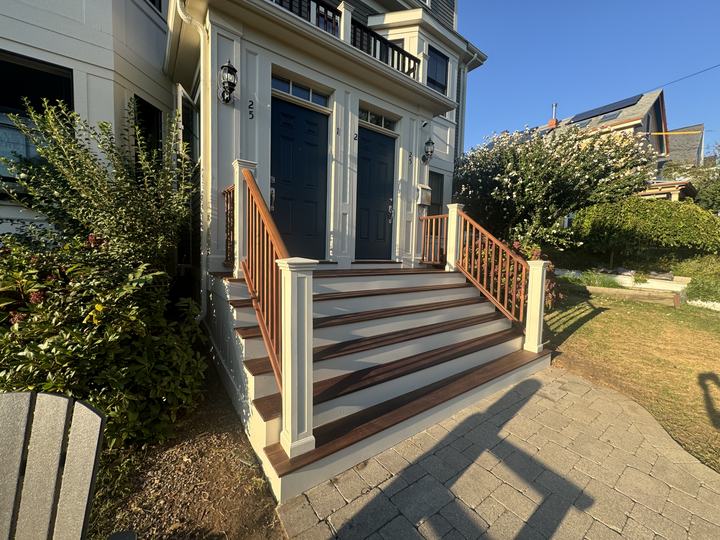
The porch isn't in either study, but on a triple-decker or a Victorian it is the front of the house. Soft decking, loose railings and peeling columns tell a buyer the house was neglected. They also show up in the inspection report.
What to watch for in an old house:
- Lead paint on trim, siding and porches. Paid work that disturbs paint on a pre-1978 house has to follow lead-safe rules.
- Rot hiding under old siding, especially at sills and corners.
- Historic district rules, which can limit what you change. See Somerville's exterior rules.
More detail: siding options, window replacement, porch rebuild costs and porch and stair safety.
4. Fix what the buyer's inspector will flag
This one has no percentage, and I'd still put it near the top for an old house. When an inspection report comes back with old wiring, a failing roof or a sagging floor, buyers ask for credits or walk away. The repair is often cheaper than the discount.
The items I see flagged most on old houses:
- Knob-and-tube wiring and undersized service. Many old houses still run on a small service or an outdated panel. See what a panel upgrade costs and what to do about knob-and-tube.
- Sagging or bouncy floors. Usually fixable from the basement. Here's how I approach it.
- Roof and water. A leaking roof or a wet basement worries buyers more than an old kitchen. See repair or replace and wet basement fixes.
- Lead paint. Sellers of pre-1978 homes in Massachusetts must give buyers the Property Transfer Lead Paint Notification, and buyers get at least 10 days to arrange a lead inspection if they want one. Read what lead-safe work means.
If you're selling within a year or two, this is the core of my Renovate to Sell guide: what to fix, what to leave and what to disclose.
5. Insulation, air sealing and better heating
Many old houses here have little or no insulation in the walls and a drafty attic. Buyers notice cold rooms on a winter showing, and they ask for utility bills.
Insulation isn't in the 2025 Cost vs. Value list. The closest item, converting to heat pumps, recovered about 82% in Boston against 72% nationally. What makes insulation a strong pick is the cost. Mass Save offers 75 to 100 percent off approved insulation and air sealing in 1- to 4-unit homes, after a Home Energy Assessment. That work is done by Mass Save's own contractors. I help owners plan the rest of the renovation around it.
What to watch for in an old house:
- Live knob-and-tube wiring has to be dealt with before insulation goes in.
- Vermiculite in the attic may contain asbestos. Leave it alone until it's tested.
- Old walls are usually best filled with dense-pack cellulose.
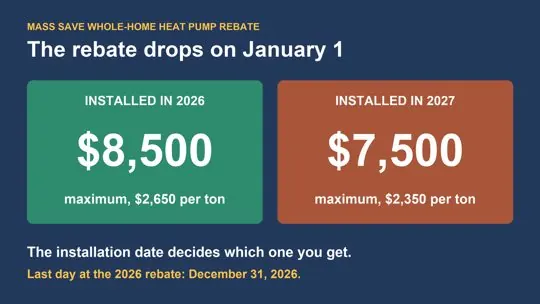
Start with my Mass Save insulation guide and attic insulation targets. If heating is next, see the heat pump rebate change on January 1.
What about adding space?
Finishing an attic or basement can make sense in an old house with a tall attic or a dry basement. It's a bigger bet. In Boston, a basement remodel recovered about 63%. Nationally, NAR put a basement conversion at 71% and an attic conversion at 67%.
Check headroom, stairs, egress and water first. See attic conversion costs and basement finishing costs. An ADU recovered about 40% at resale in Boston, so judge it on rent and family use, not resale. My ADU cost guide covers that math.
What I'd skip
- Upscale kitchens and baths. In Boston, an upscale major kitchen recovered about 28% and an upscale bath about 35%.
- Big primary suite additions. The upscale version recovered about 18% in Boston.
- Solar for resale value alone. About 29% in Boston. It can still make sense for your bills.
- Removing the character. Original trim, wood floors, built-ins and stained glass are part of what buyers pay for in an old house. Refinish them. Don't rip them out.
- Cosmetic work over a known problem. New paint over a water stain or a sagging floor gets found at inspection and costs you trust.
Deciding what to do in which order? See the order of operations for an old house.
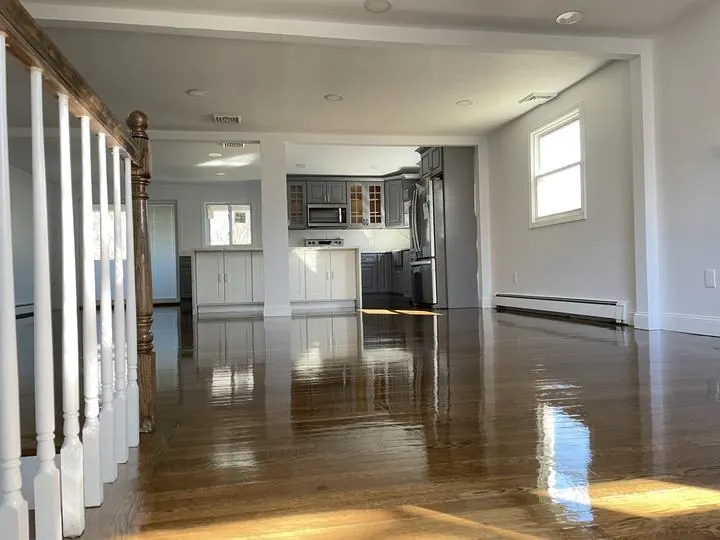
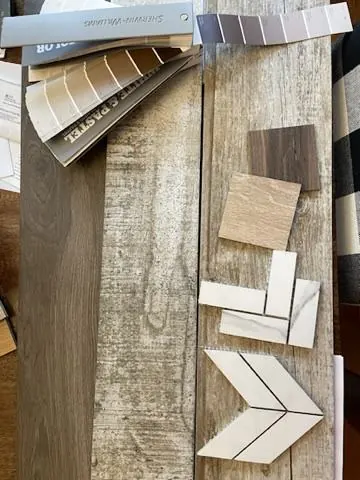
Original floors are part of the value. See when to refinish and when LVP makes sense in an old house.
Not sure where to start?
I'm Mateus, a licensed builder based in Davis Square. Since 2020 I've renovated and managed over $5 million in projects around Somerville and Greater Boston. If you want help deciding which of these five makes sense for your house, book a free walkthrough and we'll look at it together.
Frequently asked questions
What renovation adds the most value to an old house?
In the 2025 Cost vs. Value report for Boston, a garage door replacement and a steel entry door recovered the most, about 284% and 174%. Among interior projects, a midrange minor kitchen remodel recovered about 119%. On an old house, fixing what a buyer's inspector will flag often matters as much, because it prevents price cuts.
Do renovations pay for themselves when you sell?
Usually not in full. In the 2025 Boston numbers, only 6 of 28 projects recovered more than they cost, and many recovered between 40% and 70%. The value also shows up as a faster sale and fewer credits after inspection.
Should I do a full kitchen remodel before selling an old house?
Usually not. In Boston, a midrange minor kitchen remodel recovered about 119% of its cost in 2025, while a midrange major remodel recovered about 41% and an upscale one about 28%. Keeping the layout and updating surfaces, appliances and lighting tends to pay back better.
Is adding a second bathroom worth it in an old house?
It can widen the pool of buyers, especially in a house with three or more bedrooms and one bath. The 2025 Boston figure for a midrange bathroom addition was about 43% recovered, and NAR's national figure was 56%, so do it for function and marketability, not a direct return.
Does insulation add value to an old house in Massachusetts?
Insulation isn't measured in the Cost vs. Value report, but Mass Save offers 75 to 100 percent off approved insulation and air sealing in 1- to 4-unit homes, so the net cost is often low. It makes the house more comfortable and cheaper to heat, which buyers notice.
See my published prices and how I quote a job, and the towns I work in.
Read this next
 Hiring & PlanningBuying an old house that needs work: a Somerville, Cambridge and Medford checklistBuying an old house that needs work in Somerville, Cambridge or Medford? My builder's checklist: what to inspect, lead and permit lookups, how to budget.4 min read · Keep reading →
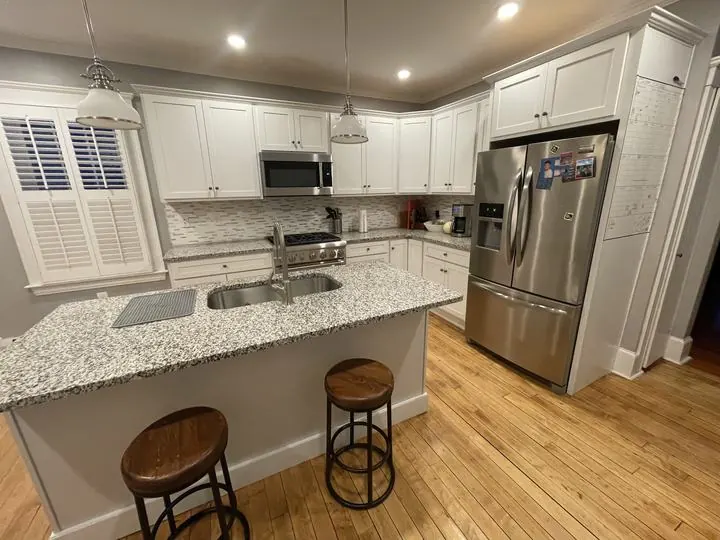 Costs & BudgetsKitchen remodel cost in Massachusetts: what Boston-area kitchens really costKitchen remodel cost in Massachusetts: 2025 Boston Cost vs. Value figures and what drives the price in Somerville and Cambridge triple-deckers and condos.4 min read · Keep reading →
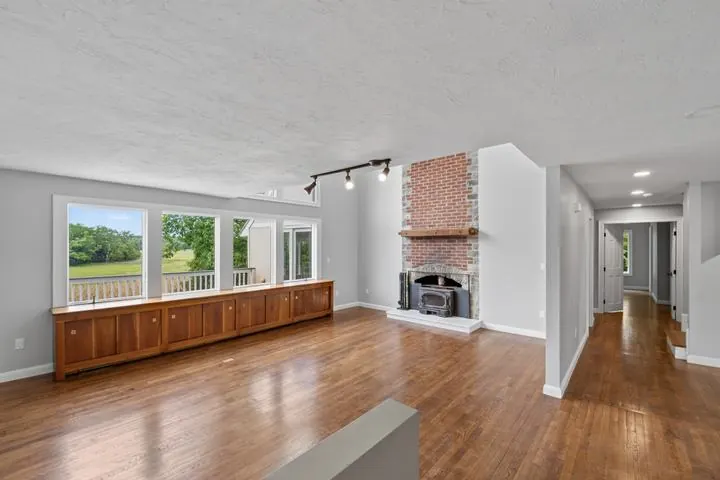 Costs & BudgetsRefinish or cover? Hardwood vs LVP in a 100-year-old Boston houseOld wood under the carpet? How to check it, how many times it can be sanded, when LVP makes sense and what to test before anyone touches it.8 min read · Keep reading →
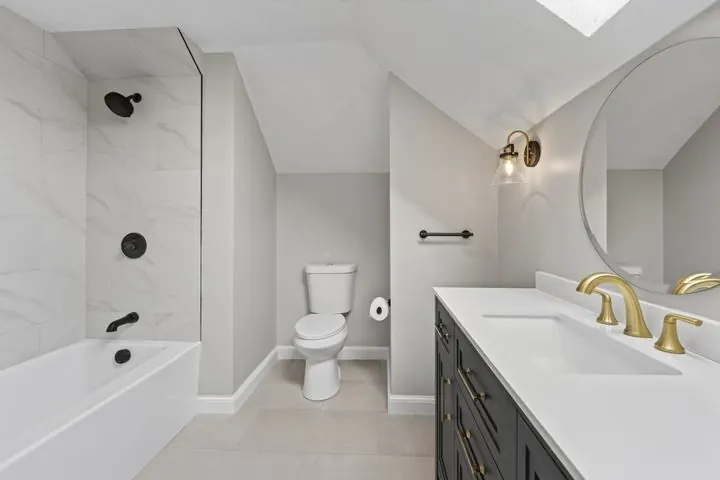 Costs & BudgetsWhat to Renovate First in an Old Boston-Area House (The Order That Avoids Redoing Work)Paint, floors or wiring first? A Somerville builder's order of operations for a 1900-1930 house, so you rip out less finished work.7 min read · Keep reading →
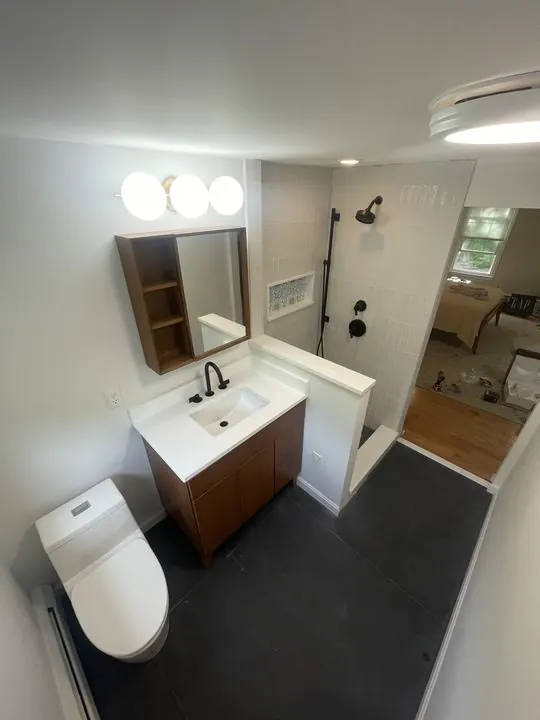 Costs & BudgetsAdding a Bathroom Cost: Where a Second Bath Fits in a Somerville HouseAdding a bathroom cost in Somerville and Greater Boston: where a second bath can go, what drives the price, permits, resale value, and remodel comparisons.4 min read · Keep reading →
 Home Care & SafetyKnob-and-tube, vermiculite and other attic surprises: what to fix before you insulate an older Greater Boston homeOld wiring or gray pebbles in your attic? What knob-and-tube and vermiculite mean for insulating a Somerville, Cambridge or Boston home.3 min read · Keep reading →
Mateus Magno founded Magno & Co in 2020. He is a licensed Massachusetts Construction Supervisor (CS-123658), registered Home Improvement Contractor (HIC #220484) and certified Lead-Safe Renovator Supervisor who has renovated and managed over $5 million in projects across Greater Boston.
More about Mateus →