






How much attic insulation do you need in Massachusetts? R-values, inches and the code, explained
R-49 to R-60 is the target for Massachusetts attics. How many inches that is for cellulose, fiberglass and foam, what the code says, and how to check your attic.
 Mateus Magno
Licensed Construction Supervisor · October 22, 2026 · 3 min read
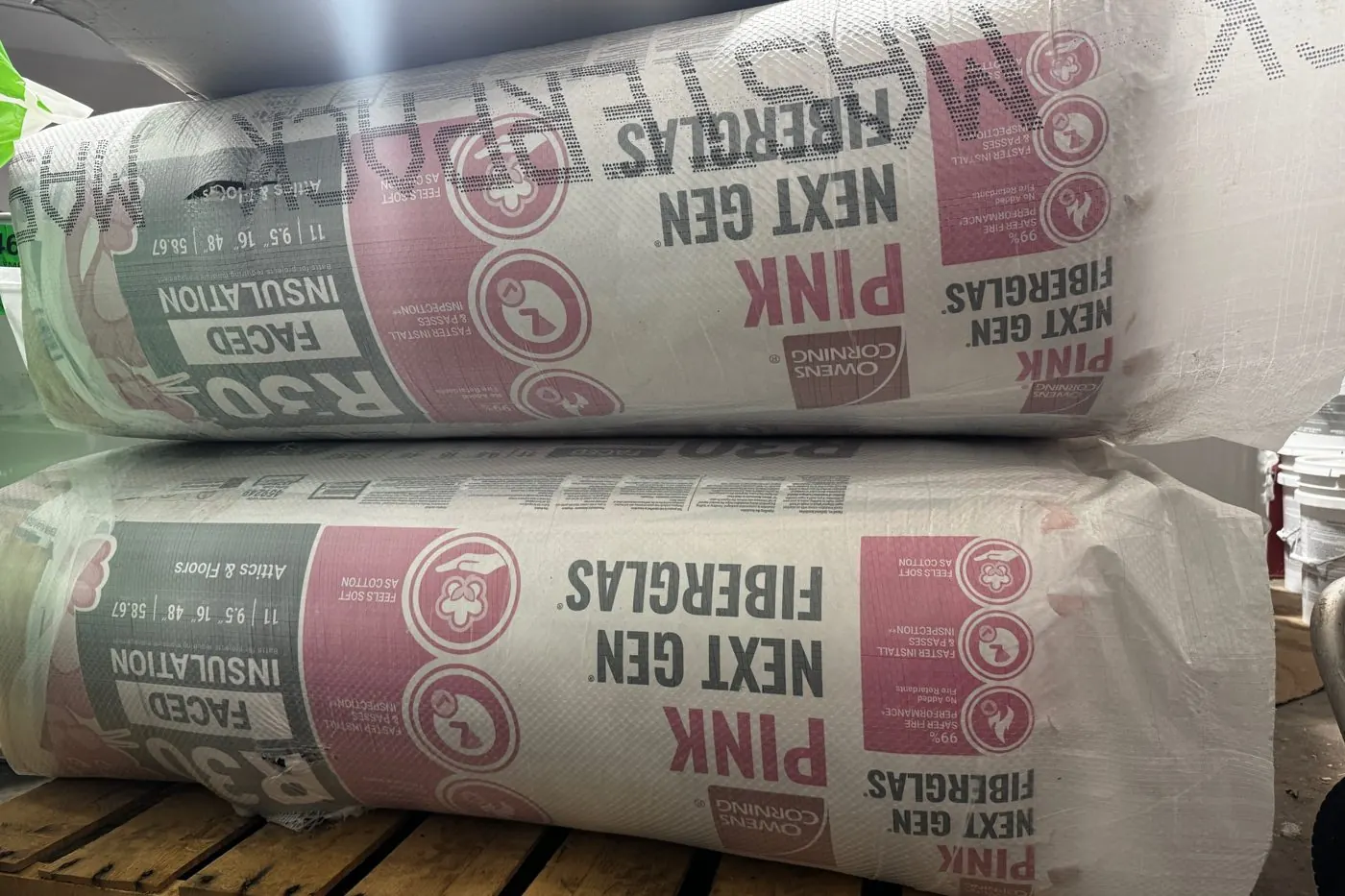
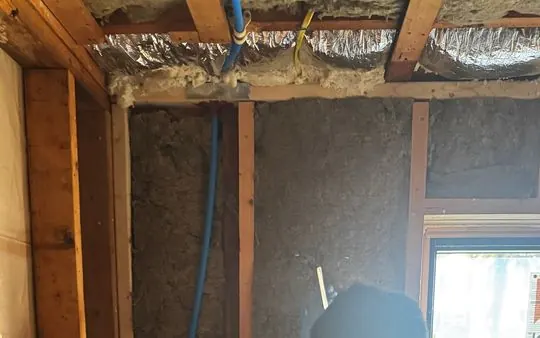
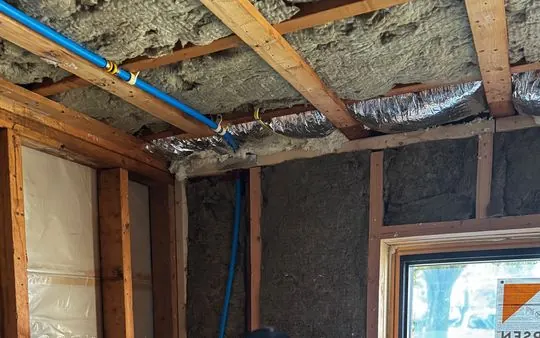
"How much insulation should be in my attic?" is one of the most searched insulation questions, and in Massachusetts the answer is a lot more than most attics have. When I look into attics in Somerville, Cambridge and around Greater Boston, I often find 3 to 6 inches of old, flattened fiberglass. That's about R-10 to R-15, a fraction of today's target.
The target: R-49 to R-60
All of Massachusetts is in climate zone 5. ENERGY STAR's recommended levels for zone 5 are:
- Uninsulated attic: R-49 to R-60
- Attic with 3–4 inches of existing insulation: add R-38 to R-49
- Floors over unheated spaces (garage, crawl space): R-25 to R-30
How many inches is that?
The depth depends on the material:
| Material | R per inch (approx.) | Inches for R-49 | Inches for R-60 |
|---|---|---|---|
| Blown cellulose | 3.2–3.8 | 13–15" | 16–19" |
| Blown fiberglass | 2.2–2.7 | 18–22" | 22–27" |
| Fiberglass batts | 2.9–3.8 | 13–17" (layered) | 16–21" (layered) |
| Closed-cell spray foam | 6.0–7.0 | 7–8" | 9–10" |
Blown-in insulation settles over time. Good installers blow a little extra depth and leave attic rulers stapled to the framing so you can check it later. Always check the product's own coverage chart.
What does the Massachusetts code require?
Massachusetts uses an energy code based on the 2021 International Energy Conservation Code, with state amendments. Most cities and towns, including most of Greater Boston, have adopted the stretch energy code (some, like several inner-core cities, the stricter specialized code). Under the 2021 IECC prescriptive path for climate zone 5, ceilings are R-60. Requirements apply to new construction, additions and major renovations, and there are performance-based paths, so confirm with your building department or energy rater. The state keeps the current rules on its building energy codes page.
If you're just adding insulation to an existing attic, you're not usually forced to meet new-construction code, but R-49 to R-60 is still the smart target.
Air sealing comes first
Insulation slows heat; it doesn't stop air. Warm, moist air leaking through the ceiling carries heat into the attic and can cause frost and mold on the roof sheathing. It also melts snow and causes ice dams. Before any insulation goes in, seal:
- Gaps around chimneys and plumbing vent pipes
- Recessed lights and ceiling fixtures (use rated covers)
- Tops of interior walls (top plates) and balloon-framed wall cavities
- The attic hatch or pull-down stairs (weatherstrip and insulate the door)
- Duct and bath fan penetrations, with fans vented outside, not into the attic
Also keep soffit vents open with baffles at the eaves so the roof can breathe. More on this in my ice dam guide.
How to check your own attic
- Go up with a flashlight and a tape measure, wearing a mask and gloves.
- Measure the depth in a few places. Less than about 10 inches of fiberglass or 8 inches of cellulose means you're below R-30.
- Look for dark, dirty spots on the insulation. That's air leaking through.
- If you see gray-brown pebbles (possibly vermiculite) or old cloth-covered wires on porcelain knobs, stop and don't disturb them. Read this guide first.
What it costs
Attic air sealing and insulation is one of the most affordable upgrades. On my map of real jobs, half of all installed insulation jobs cost under $5,000, and the median in Somerville was $4,750. See real prices by town. With Mass Save's 75–100% off, your share can be much less.
Want your attic done right?
Magno & Co air seals and insulates attics in Somerville, Cambridge and across Greater Boston, with attic rulers and a clear R-value on your invoice. Book a free walkthrough.
Frequently asked questions
How much insulation should be in my attic in Massachusetts?
ENERGY STAR recommends R-49 to R-60 for attics in climate zone 5, which covers all of Massachusetts. That's roughly 14 to 19 inches of blown cellulose or 18 to 27 inches of blown fiberglass.
What R-value does the Massachusetts energy code require for ceilings?
Massachusetts' energy code is based on the 2021 IECC. Its prescriptive path for climate zone 5 calls for R-60 ceilings in new construction, and the stretch energy code is used in most of Greater Boston. Confirm requirements with your local building department.
Can I just add more insulation on top of old insulation?
Usually yes, as long as the old insulation is dry, there's no knob-and-tube wiring or vermiculite, and you air seal first. Unfaced insulation or loose fill should be used on top so you don't trap moisture.
Should I air seal before insulating my attic?
Yes. Air sealing stops warm, moist air from leaking into the attic. That leaking air causes heat loss, frost on the roof sheathing and ice dams. It should always be done before new insulation goes in.
See everything I do, how I price work and the towns I work in.
Read this next
 Home Care & SafetyKnob-and-tube, vermiculite and other attic surprises: what to fix before you insulate an older Greater Boston homeOld wiring or gray pebbles in your attic? What knob-and-tube and vermiculite mean for insulating a Somerville, Cambridge or Boston home.3 min read · Keep reading →
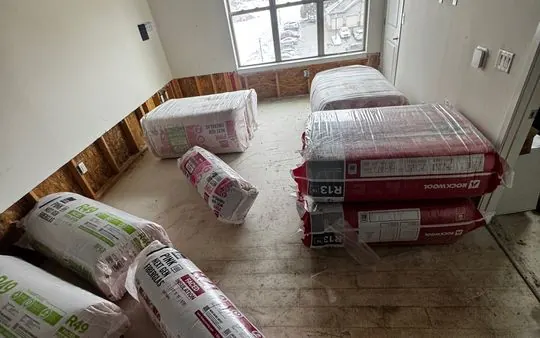 Costs & BudgetsMass Save insulation rebates in 2026: 75–100% off, no-cost options and the steps for Somerville, Cambridge and Greater BostonMass Save insulation in 2026: how the 75–100% off and no-cost offers work, what's covered, the federal credit that ended, and the steps to get started.3 min read · Keep reading →
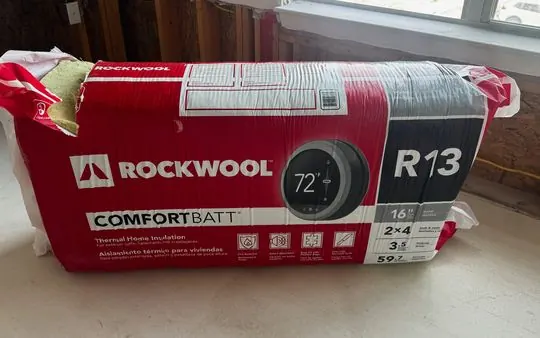 Home Care & SafetyBlown-in vs fiberglass vs spray foam: which insulation is right for your Greater Boston home?Cellulose, fiberglass, mineral wool and spray foam compared: R-value, cost and where each works best in Somerville, Cambridge and Boston homes.3 min read · Keep reading →
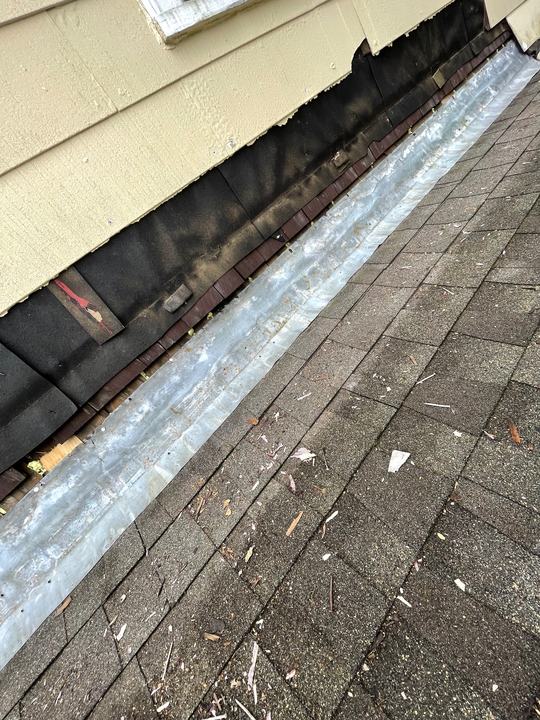 Home Care & SafetyIce dams on Somerville roofs: why they form and how to stop themWhy ice dams form on Somerville roofs, the damage they cause, and how to stop them with air sealing, insulation and Mass Save help, plus safe removal.3 min read · Keep reading →
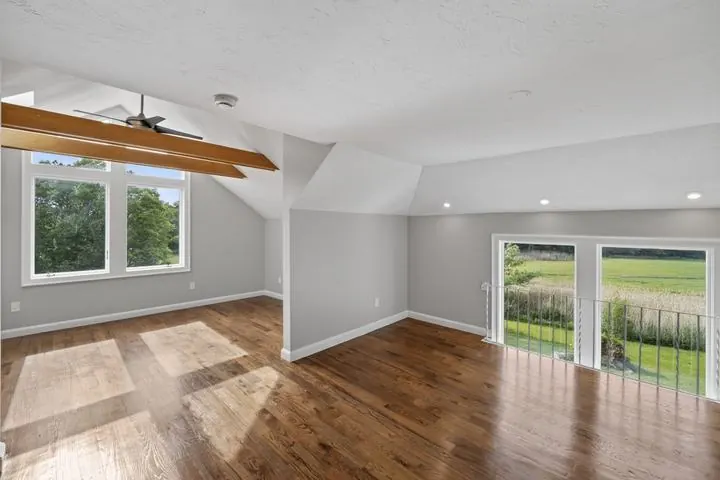 Costs & BudgetsAttic conversion cost in Massachusetts: code rules, permits and what drives the priceAttic conversion cost in Massachusetts: national price ranges, ceiling height, egress, stair and insulation rules, plus Somerville permit costs.4 min read · Keep reading →
 Kitchens, Baths & ExteriorsFlat roof replacement cost on a triple-decker: EPDM, TPO or modified bitumen?Flat roof replacement cost for Somerville triple-deckers: national price ranges, EPDM vs TPO vs modified bitumen, insulation rules, drains and roof decks.4 min read · Keep reading →
Mateus Magno founded Magno & Co in 2020. He is a licensed Massachusetts Construction Supervisor (CS-123658), registered Home Improvement Contractor (HIC #220484) and certified Lead-Safe Renovator Supervisor who has renovated and managed over $5 million in projects across Greater Boston.
More about Mateus →