








Knob-and-tube, vermiculite and other attic surprises: what to fix before you insulate an older Greater Boston home
Old wiring or gray pebbles in your attic? What knob-and-tube and vermiculite mean for insulating a Somerville, Cambridge or Boston home.
 Mateus Magno
Licensed Construction Supervisor · October 22, 2026 · 3 min read
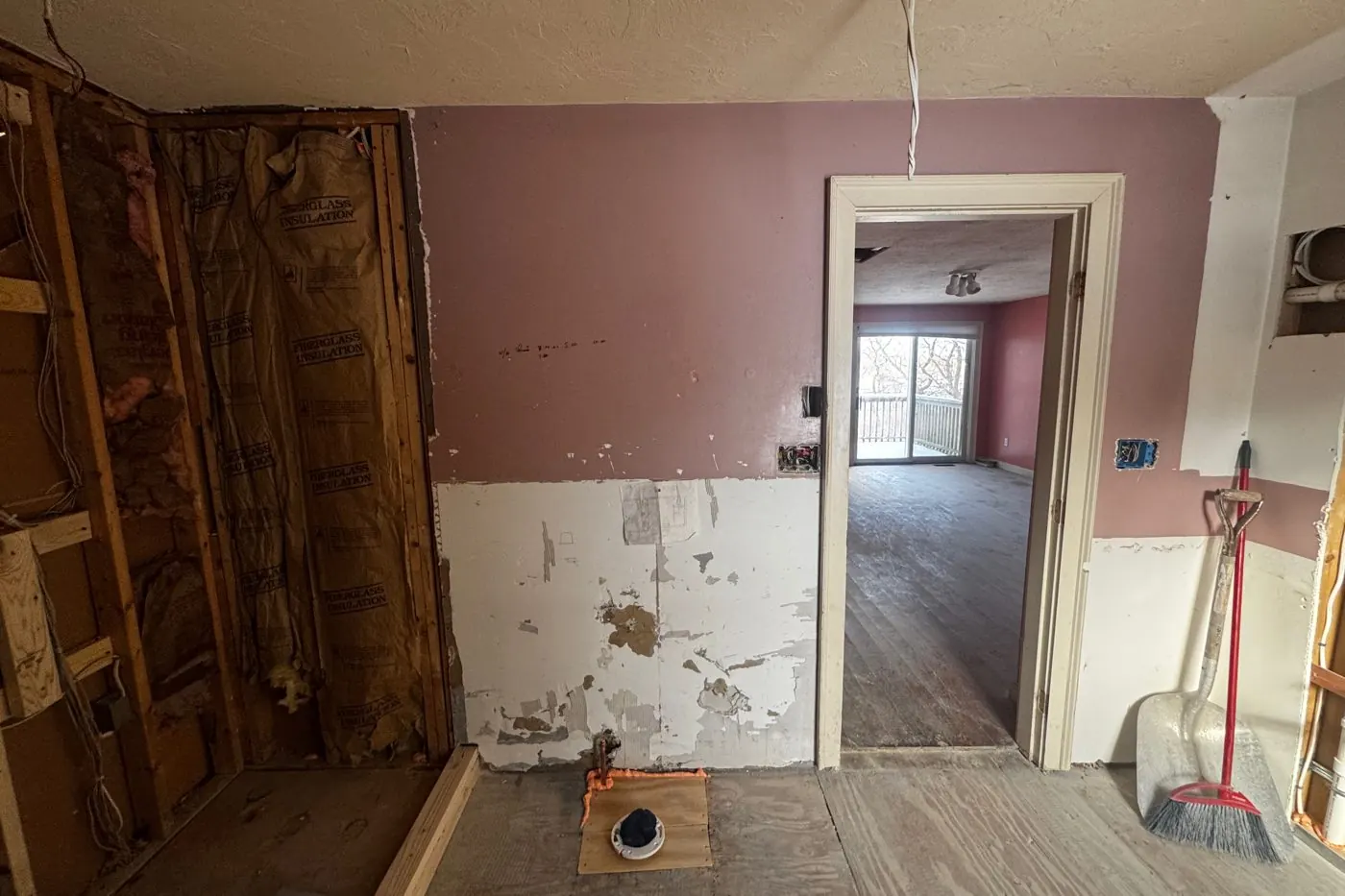
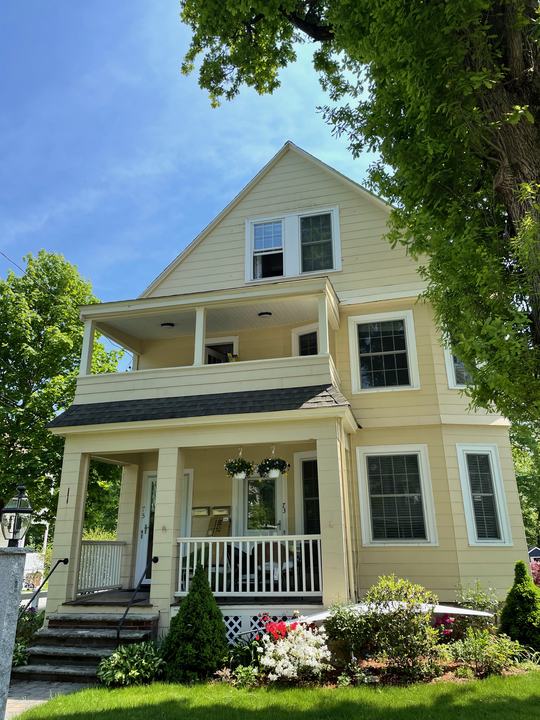
Somerville's median home was built in 1938, Boston's in 1947 and Cambridge's in 1950. That age is a big part of their charm. It also means the attic and walls can hide things that must be handled before anyone adds insulation. Mass Save calls these "barriers", and they're the most common reason an insulation job in Greater Boston gets delayed.
1. Knob-and-tube wiring
Knob-and-tube (K&T) is the original electrical wiring in many homes built before the 1940s. It runs as single cloth-covered wires on white porcelain knobs, with porcelain tubes through the framing.
Why it matters for insulation: K&T was designed to shed heat into open air. The national electrical code generally doesn't allow it in wall or attic cavities where insulation surrounds the wires, because buried wires can overheat. That's why:
- Insulation crews and Mass Save won't blow insulation over live knob-and-tube.
- A licensed Massachusetts electrician has to check it. They can confirm it's dead, disconnect abandoned runs, or replace the circuits.
- Electrical work for hire in Massachusetts needs a permit. See Somerville electrical permits.
How to spot it: look in the attic and basement for porcelain knobs and tubes, or single cloth-covered wires spaced apart.
2. Vermiculite (and the asbestos question)
Vermiculite is a loose, pebbly insulation, usually gray-brown or gold and shiny, poured between attic joists decades ago. Much of the vermiculite sold in the U.S. came from a mine in Libby, Montana that was contaminated with asbestos.
The EPA's advice is simple:
- Assume it may contain asbestos and leave it alone.
- Don't store things in that attic or let anyone walk through it.
- Don't try to remove it yourself. Have it tested or removed by licensed professionals.
Insulation crews won't install over vermiculite until it's been tested and cleared or properly removed. In Massachusetts, asbestos removal is done by licensed abatement contractors with state notifications.
"Does foam insulation contain asbestos?" This is one of the most searched insulation questions in Somerville. The answer: no. Modern spray foam, cellulose, fiberglass and mineral wool don't contain asbestos. The concern is old materials: vermiculite, some old pipe and boiler wrap, and some old flooring and siding.
3. Bath fans and dryer vents venting into the attic
Many older homes have bathroom fans that blow warm, wet air straight into the attic. Insulating over that traps moisture and grows mold. Every fan and dryer vent should be ducted all the way outside before insulation goes in.
4. Roof leaks, mold and wet insulation
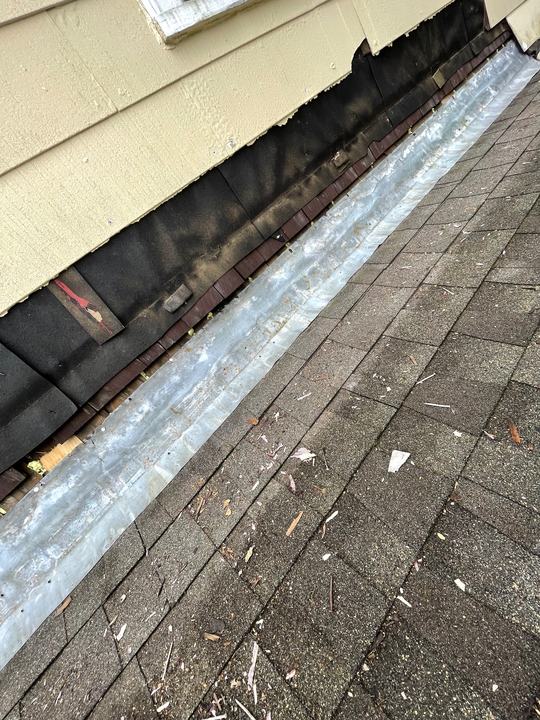
Dark stains on roof boards, wet or matted insulation, or a musty smell mean water is getting in. Fix the roof and dry things out first. See repair or replace your roof. Wet insulation should be removed, not covered.
5. Lead paint and pests
Homes built before 1978 often have lead paint, so any work that disturbs painted trim, siding or plaster must follow lead-safe rules. See my lead paint guide. Rodent nests and droppings in old insulation should be cleaned out by a pro before new insulation goes in.
The safe order of steps
- Identify barriers: wiring, vermiculite, moisture, vents, pests.
- Electrician and abatement first, with permits.
- Repair roof leaks and duct fans outside.
- Air seal.
- Insulate. See how much attic insulation you need.
Running a heater in a room with old wiring? See what an old circuit can handle and the signs to stop.
Got an attic surprise?
Magno & Co coordinates licensed electricians and specialists, then handles the carpentry and insulation for older homes in Somerville, Cambridge and Greater Boston. Book a free walkthrough and we'll map out the right order.
Frequently asked questions
Can you put insulation over knob-and-tube wiring?
Generally no. Knob-and-tube wiring was designed to release heat into open air, and the electrical code generally doesn't allow it to be surrounded by insulation. A licensed electrician should check it, disconnect it or replace it before insulating.
Does foam insulation contain asbestos?
No. Modern spray foam, cellulose, fiberglass and mineral wool insulation don't contain asbestos. Old vermiculite attic insulation may, and the EPA advises leaving it undisturbed and using professionals.
What does vermiculite insulation look like?
Vermiculite is a loose, pebble-like fill, usually gray-brown or gold with a slightly shiny look, poured between attic joists. If you see it, don't disturb it. Assume it may contain asbestos until tested.
Will Mass Save insulate a house with knob-and-tube or vermiculite?
Not until those barriers are dealt with. Knob-and-tube must be evaluated by an electrician, and vermiculite must be tested or professionally handled, before program insulation is installed.
See everything I do, how I price work and the towns I work in.
Read this next
 Costs & BudgetsMass Save insulation rebates in 2026: 75–100% off, no-cost options and the steps for Somerville, Cambridge and Greater BostonMass Save insulation in 2026: how the 75–100% off and no-cost offers work, what's covered, the federal credit that ended, and the steps to get started.3 min read · Keep reading →
 Home Care & SafetyMice in the walls of your old house: the 9 places they get inScratching in the walls of a Boston-area old house? Nine entry points, how a builder seals them with metal and masonry, and when a wall has to be opened.9 min read · Keep reading →
 Home Care & SafetySpace heater in an old house? What your wiring can handle, and the signs to stopWith oil near $6 a gallon, more cold rooms get a space heater. Here is why an old circuit is the weak link, the safety rules, and when to call an electrician.8 min read · Keep reading →
 Costs & BudgetsPanel upgrade cost in Massachusetts: going to 200 amps for heat pumps, EVs and inductionPanel upgrade cost in Massachusetts: national prices, why Greater Boston homes move to 200 amps, Somerville permits, utility steps and Mass Save help.4 min read · Keep reading →
 Home Care & SafetyAsbestos floor tiles: how to tell, what to do, and Massachusetts rulesAsbestos floor tiles: how to tell if old 9x9 tiles may contain it, why never to sand them, testing, and MassDEP rules for Somerville and Boston homes.4 min read · Keep reading →
 Home Care & SafetyHow much attic insulation do you need in Massachusetts? R-values, inches and the code, explainedR-49 to R-60 is the target for Massachusetts attics. How many inches that is for cellulose, fiberglass and foam, what the code says, and how to check your attic.3 min read · Keep reading →
Mateus Magno founded Magno & Co in 2020. He is a licensed Massachusetts Construction Supervisor (CS-123658), registered Home Improvement Contractor (HIC #220484) and certified Lead-Safe Renovator Supervisor who has renovated and managed over $5 million in projects across Greater Boston.
More about Mateus →