












Renovating a pre-1978 home? What lead-safe work means for you
Most Greater Boston homes were built before 1978. Here's what the lead-safe rules require, what it looks like on site, and how to protect your family.
 Mateus Magno
Licensed Construction Supervisor · October 17, 2026 · 3 min read
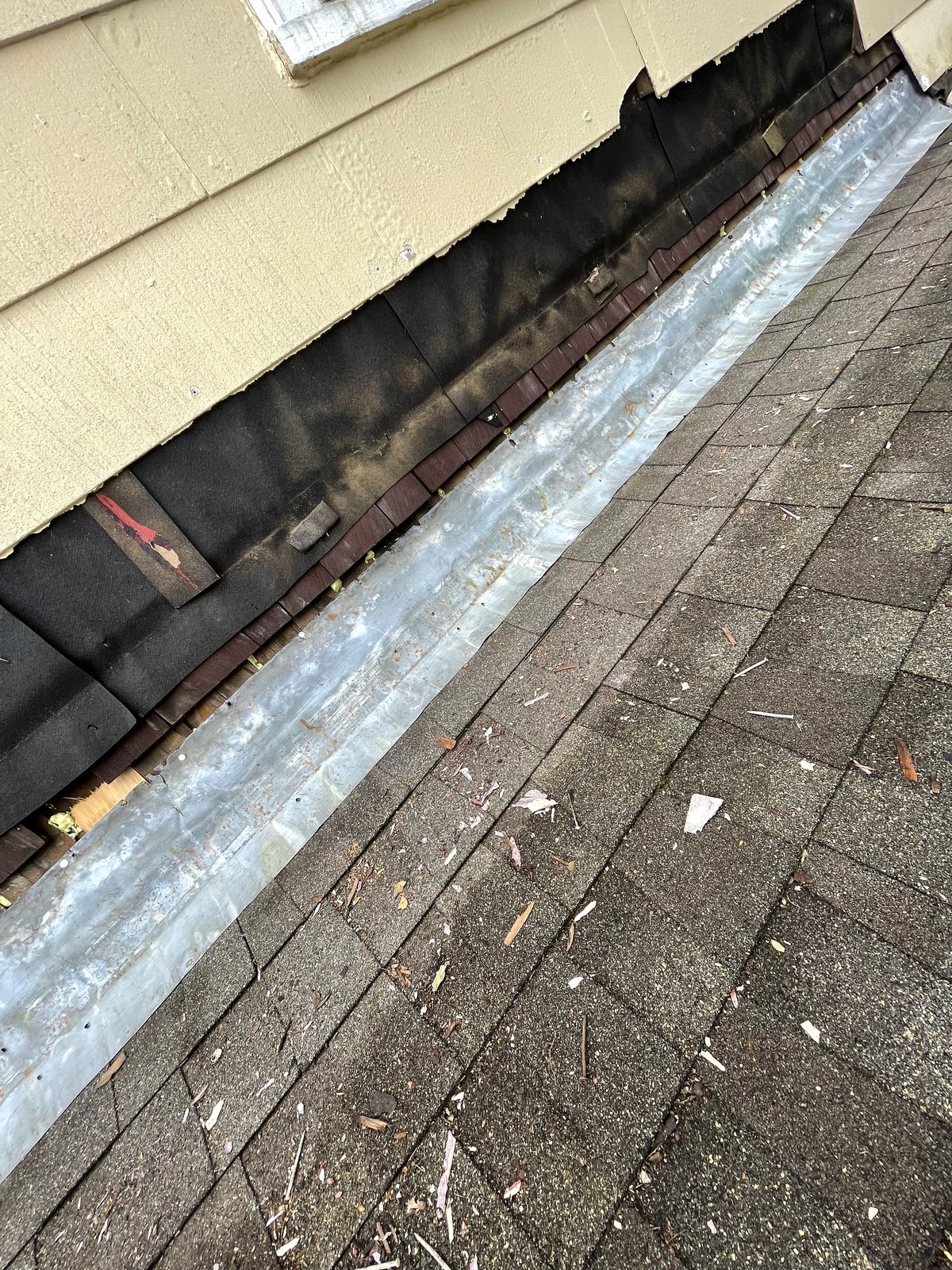
Most homes in Somerville, Cambridge and the older Boston suburbs were built before 1978 — the year lead paint was banned for homes. Lead paint that's intact and covered isn't the main danger. The danger is the dust that renovation creates when old paint is sanded, scraped, cut or demolished. Young children and pregnant women are the most at risk.
What the rules require
Under the federal Renovation, Repair and Painting (RRP) rule — run in Massachusetts by the Department of Labor Standards — renovation in pre-1978 housing that disturbs more than a small amount of painted surface must be done by a certified firm using a certified renovator, following lead-safe work practices. Before work starts, you should receive the EPA's Renovate Right pamphlet.
I'm a certified Massachusetts Lead-Safe Renovator Supervisor, so this is built into how I run older-home projects — not an add-on.
What lead-safe work looks like on site
- Containment — plastic sheeting and sealed doorways around the work area, with warning signs.
- No high-dust shortcuts — no open-flame burning, and no power sanding or grinding without HEPA dust collection.
- HEPA vacuums and wet cleaning every day, not just at the end.
- Careful waste handling — debris bagged and sealed before it leaves the room.
- Cleaning verification before the containment comes down.
What you can do
- Ask your contractor for their lead-safe certification before you sign.
- Keep children and pets out of the work area until cleanup is verified.
- Ask whether testing makes sense for the surfaces we'll disturb.
If your family lives there during the work, see when to stay, when to leave and how to contain dust.
Repairing cracked plaster means dust. See what to do before you patch or sand plaster in an old house.
Renovation isn't the same as deleading
The Massachusetts Lead Law is a separate requirement: when a child under six lives in a pre-1978 home, the owner must have lead hazards removed or covered — usually by a licensed deleader. If that applies to you, tell me early and we'll plan both together.
Planning work on an older home? Let's talk — we'll keep it safe and keep it moving.
See everything I do, how I price work and the towns I work in.
Read this next
 Hiring & PlanningMassachusetts Contractor License Lookup: How to Check HIC, CSL and Lead-Safe StatusMassachusetts contractor license lookup made simple: check HIC registration, CSL license, the Guaranty Fund and lead-safe status before a Somerville job.4 min read · Keep reading →
 Home Care & SafetyAsbestos floor tiles: how to tell, what to do, and Massachusetts rulesAsbestos floor tiles: how to tell if old 9x9 tiles may contain it, why never to sand them, testing, and MassDEP rules for Somerville and Boston homes.4 min read · Keep reading →
 Home Care & SafetyCracks in old plaster: which ones are normal and which are a warning signHairline lines, map cracks or a belly in the ceiling? A Somerville builder explains what each means, what's safe to patch and when to keep plaster or go drywall.9 min read · Keep reading →
 Home Care & SafetyCan You Live in Your House During a Renovation? A Builder's Phase-by-Phase AnswerDust, noise, no kitchen, kids and a dog. A Somerville builder explains what each phase means, how to contain it and when to pack a bag.9 min read · Keep reading →
 Costs & BudgetsRenovation loans in Massachusetts: HELOC, 203(k), Get the Lead Out, HEAT Loan and moreRenovation loan options in Massachusetts compared: HELOC, cash-out refi, FHA 203(k), Get the Lead Out, HEAT Loan and Somerville's home repair program.4 min read · Keep reading →
- Hiring & PlanningHiring a contractor in Massachusetts: 8 checks before you signRegistration, licenses, the written contract, the deposit and who pulls the permit — what Massachusetts law expects, in plain English.3 min read · Keep reading →
Mateus Magno founded Magno & Co in 2020. He is a licensed Massachusetts Construction Supervisor (CS-123658), registered Home Improvement Contractor (HIC #220484) and certified Lead-Safe Renovator Supervisor who has renovated and managed over $5 million in projects across Greater Boston.
More about Mateus →