


What to Renovate First in an Old Boston-Area House (The Order That Avoids Redoing Work)
Paint, floors or wiring first? A Somerville builder's order of operations for a 1900-1930 house, so you rip out less finished work.
 Mateus Magno
Licensed Construction Supervisor · November 18, 2026 · 7 min read
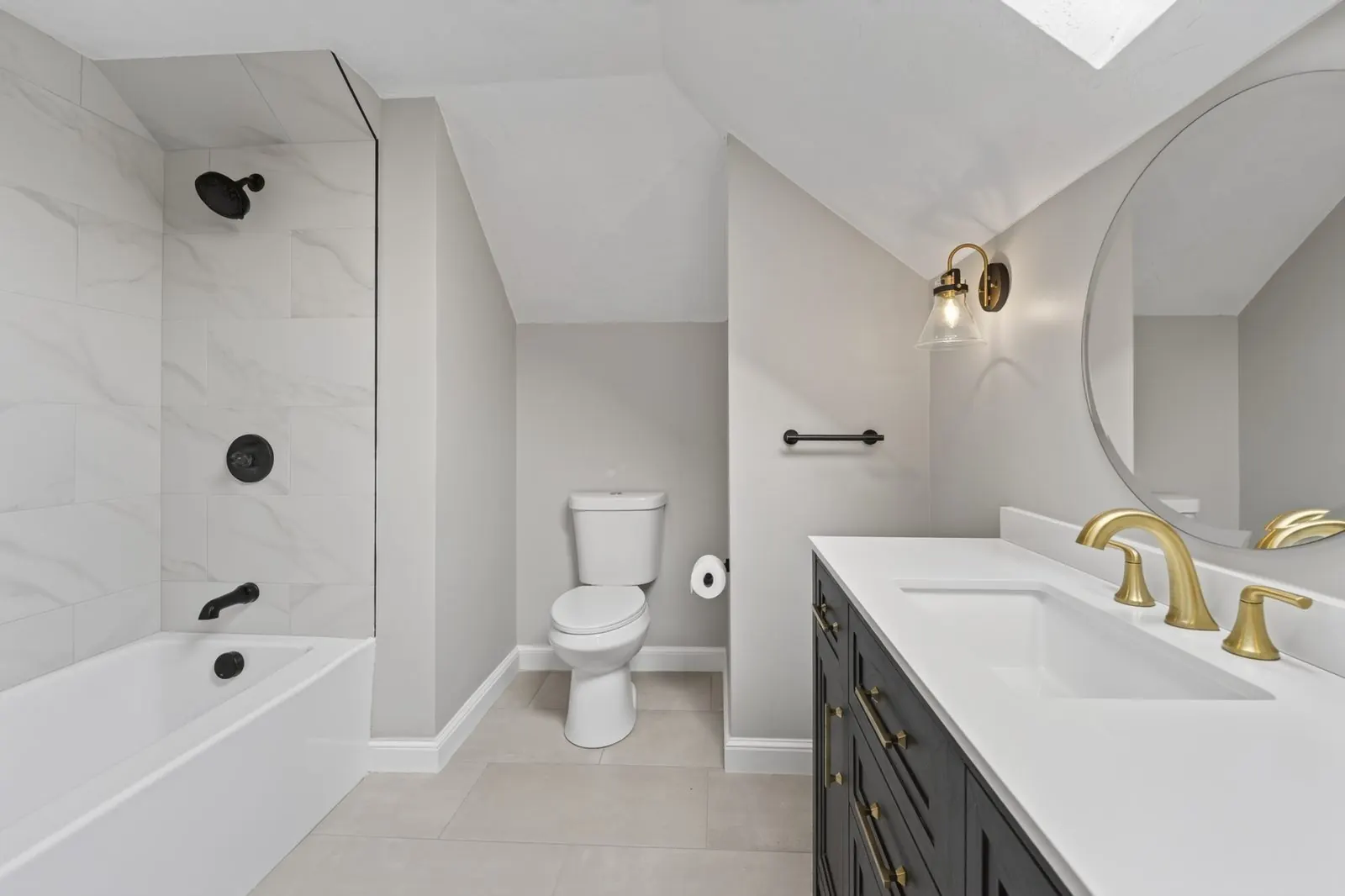
A new owner of a 1900s house usually has a list of thirty things and a budget for six. The question I hear all the time is where to start, and the fear behind it is real: nobody wants to paint a room and then watch an electrician cut it open.
I'm a builder in Somerville, and this is the order I'd use on a 1900 to 1930 house in Somerville, Cambridge or Boston. The logic is simple. Do the work that hides inside the walls before the work you can see.
What's the order, in one table?
| Phase | What | Why this order |
|---|---|---|
| 0. Inspect | Water, structure, electrical, lead, asbestos | You can't rank problems you haven't found |
| 1. Keep water out | Roof, flashing, gutters, grading, chimney | Water ruins every other repair you make |
| 2. Fix the systems | Electrical service and wiring, heating, plumbing, structure | These run inside walls, floors and ceilings you will close later |
| 3. Seal and insulate | Air sealing, attic, walls, basement rim | Easiest while open, and it sizes the new heating |
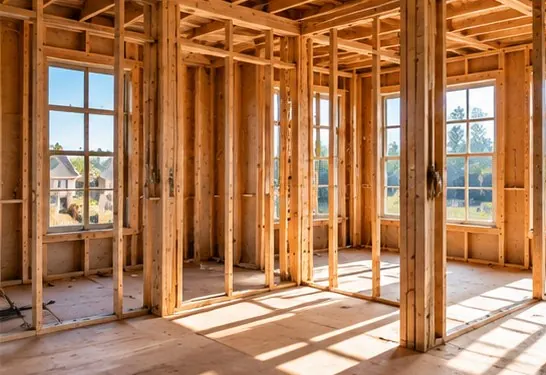
| 4. Change the layout | Walls, openings, stairs, new rooms | Moving a wall after new finishes means paying twice |
| 5. Kitchens and baths | Cabinets, tile, fixtures | The most expensive finishes go in once the guts are right |
| 6. Floors, trim, paint | Refinish, flooring, painting | Every trade before this scuffs and cuts these |
One rule beats the table. If a system fails, it jumps to the front. More on that below.
Phase 0: What should you inspect before you spend anything?
Before you buy a single can of paint, spend a few weeks learning the house. Look for four things.
- Water. Stains on top-floor ceilings, damp basement corners, soft wood under windows, a roofline that sags or a gutter pulling away.
- Structure. Floors that slope or bounce, cracked foundation walls, notched joists. They usually point to problems in beams or joists.
- Electrical. A small service, fuses, knob-and-tube wiring in the attic or basement, extension cords running the kitchen.
- Lead and asbestos. Most Greater Boston houses are older than 1978, so assume lead paint until a test says otherwise.
The lead-safe rules cover paid work on pre-1978 homes. I explain them in my lead paint guide. For asbestos, MassDEP's rule (310 CMR 7.15) generally calls for a survey by a licensed asbestos inspector before renovation or demolition. The exemption is narrow, mainly for some owner-occupied single-family homes, so confirm the current rule with MassDEP or your inspector.
If you're still buying, my old-house buying checklist shows what to look at first.
Phase 1: Why does water come before everything else?
Because water makes your new work fail. A fresh plaster ceiling under a leaking roof is a lesson you only need once. The Green Building Advisor Q&A on this exact question, "Old home renovation: Sequencing work", lands in the same place: stabilize the building and fix leaks and major repairs before anything else.
In practice that means, from the top down:
- Roof and flashing. Chimneys, dormers, valleys and where porch roofs meet the wall leak far more often than the open field of shingles. Read my guide to repair or replace.
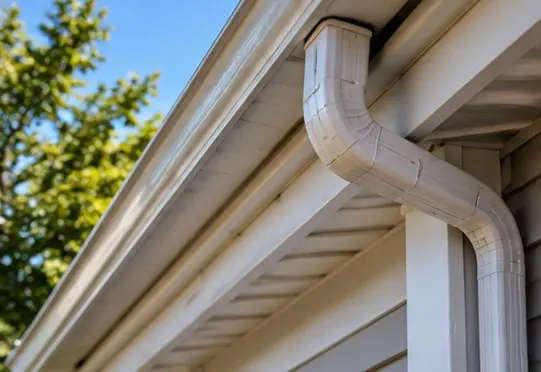
- Gutters and downspouts. They are cheap, and they decide whether your foundation stays dry.
- Grading. Soil should slope away from the house. Downspouts should discharge several feet from the wall.
- Ice dams. If you get them, the cause is usually heat escaping into the attic. That ties to phase 3.
Roofing generally needs a building permit. In the 12 months to October 19, 2026, Somerville's permit data showed 666 permits that mention a roof, according to my breakdown of that data. Ask your city's building department what applies to your address.
You can do: clear gutters, extend downspouts, regrade a little soil from the ground. Hire a pro: anything on a roof, and any chimney work.
Phase 2: Which systems go in before the walls close?
Systems are the hidden part. If you open a wall once to do them right, you can close it once.
- Electrical. A licensed electrician should check the service and panel first. If you have knob-and-tube, plan to deal with it before insulation goes over it. My guide on what to fix before you insulate explains why. Electrical work needs a licensed electrician and permits.
- Heating. If the boiler or furnace is near the end of its life, plan the replacement with phase 3 in mind. A tighter, better-insulated house needs a smaller system. Gas and heating work belong to licensed trades.
- Plumbing. Old cast iron drains and galvanized supply lines are cheapest to replace while a floor or wall is already open.
- Structure. Fix sagging beams and notched joists before new floors and ceilings go up.
Do the rough-in for any future kitchen or bath now, even if the room itself comes later. Running the pipe and wire once is a lot cheaper than doing it again behind finished tile.
Phase 3: Why air seal and insulate before finishes?
Insulation is easiest when walls, attic floors or rim joists are open anyway. It is also the best way to make the house comfortable, and it decides how big your heating system should be.
The order inside this phase matters too. Seal the air leaks first (attic hatches, rim joist, wiring holes), then insulate. Clear any barriers first, like the knob-and-tube and moisture problems above. My air sealing guide shows where Greater Boston houses really leak.
Money can help here. As of November 18, 2026, Mass Save lists 75 to 100 percent off approved insulation and air sealing in 1- to 4-unit homes, with some offers tied to a Home Energy Assessment. Details are in my Mass Save insulation guide. Mass Save's page I read does not list a January 1, 2027 change for insulation. Heat pumps are different. The whole-home rebate drops for installs on or after that date, and Mass Save says whole-home rebates need a sufficiently weatherized home. I break that down in the heat pump rebate post. Weatherize first, then size the heat pump. Don't let a deadline flip that order.
If you're sorting out which energy upgrades come first, my ebook The Home Energy Upgrade Guide ($15) walks through it.
Phases 4 to 6: When do layout, kitchens, baths and paint come?
Layout. Moving or removing walls comes after the systems, because walls carry pipes, wires and sometimes load. Find out whether a wall is bearing before you fall in love with an open plan. Layout changes usually need drawings and a building permit. See my Somerville permit guide.
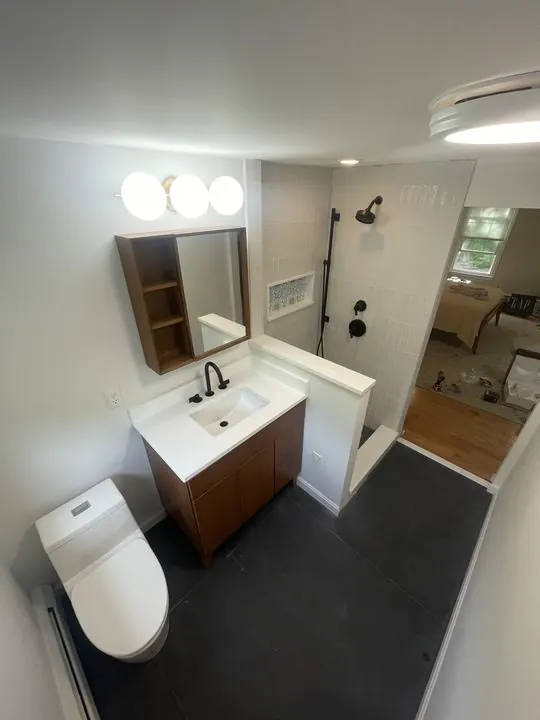
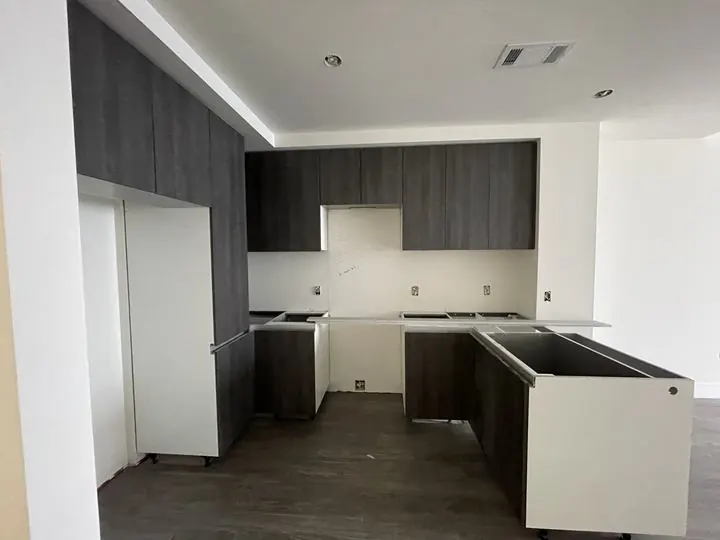
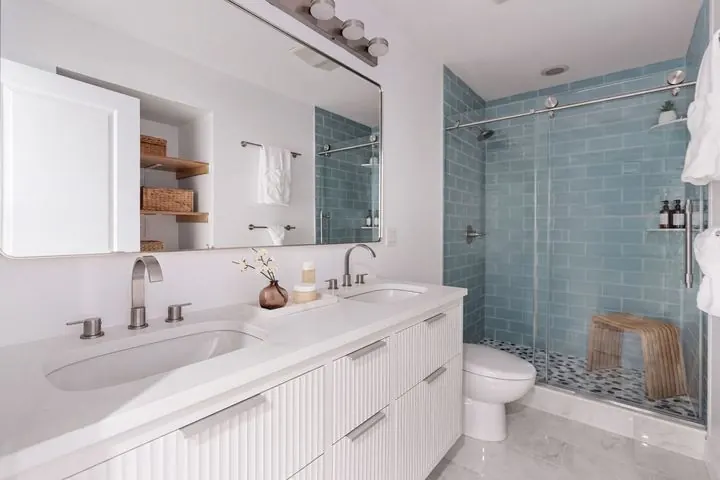
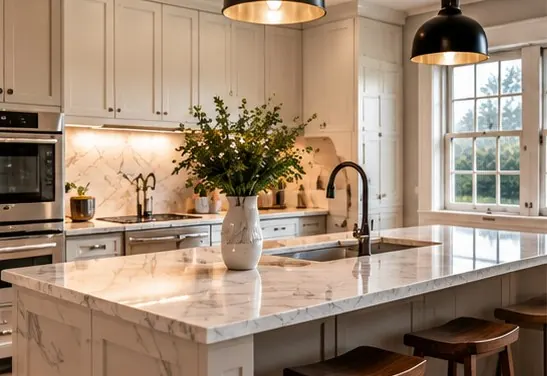
Kitchens and baths. These are the costliest finishes and the easiest place to waste money. Build them on correct plumbing, wiring and insulation. I keep cost guides for both on the blog.
Floors, trim and paint. Last. Trades drop tools, drag ladders and cut openings. Refinish floors near the end, then paint, then protect them. Painted trim in a pre-1978 house may contain lead, so don't dry-sand it.
Small exceptions are fine. Painting a bedroom you must sleep in this winter is a sane choice, if no work will touch that room.
When does a failed system jump the queue?
The order above is for a house that is stable. Some problems can't wait for their turn:
- An active roof or plumbing leak.
- No heat in winter, or a boiler that is failing.
- Electrical that is overheating, sparking or scorched. Stop using that circuit and call a licensed electrician. If you see smoke or flames or smell burning, get everyone out and call 911.
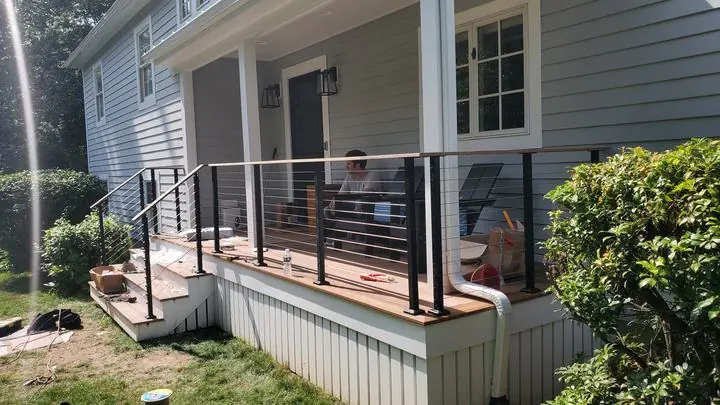
- A porch, stair or railing that isn't safe to use.
- A carbon monoxide alarm going off. Get everyone outside and call 911 or the fire department.
Fix the failure, then go back to the sequence. Do the repair so it fits the later work. For example, a new boiler should be sized for the insulated house you're heading toward.
What does this look like on a budget?
Most owners can't do all seven phases in a year. A reasonable split:
- Year one: inspect, stop water, fix any unsafe or failing system, and book the Mass Save assessment.
- Year two: remaining systems, then air sealing and insulation.
- Year three and on: layout, kitchen and bath, then floors and paint.
That is an example, not a rule. Your house sets the timeline. Phasing the work is fine. Phasing the plan is not, because one overall plan is what keeps the order right. My regrets post has work done in the wrong order on its list for a reason. For what the whole job can cost, see gut renovation costs. Costs depend on your house, so any figures you see in guides are estimates, not quotes.
Money tight right now? See which repairs can wait and which can't.
Want help putting your house in order?
I'm Mateus, a licensed builder based in Davis Square. Since 2020 I've renovated and managed over $5 million in projects around Somerville and Greater Boston. If you have a list of thirty things and don't know which comes first, book a free walkthrough. We'll go through the house together, and I'll give you a written order of work you can follow with me or with anyone else.
Frequently asked questions
What should I renovate first in an old house?
Inspect first, then fix anything that lets water in (roof, flashing, gutters, grading) and anything unsafe or failing. After that come the hidden systems, then air sealing and insulation, then layout, kitchens and baths, and finally floors and paint. A failed system always jumps the queue.
Should I paint or refinish floors before other work?
No. Painting and floor refinishing go last, because every trade before them scuffs, cuts or stains finished surfaces. The one exception is a room that no other work will touch.
Do I fix knob-and-tube wiring before insulating?
Generally yes. Knob-and-tube was designed to shed heat into open air, so a licensed electrician should assess it before insulation goes around it. Plan the wiring work first, then air seal and insulate.
Should I do a kitchen before the roof and electrical?
Usually not. A leaking roof can damage a new kitchen, and old wiring means opening finished walls and cabinets later. A kitchen is built on the systems behind it, so those come first unless the kitchen itself is unsafe.
Does Mass Save change on January 1, 2027?
Mass Save's whole-home heat pump rebate drops for installs on or after January 1, 2027, per Mass Save's pages as of November 2026. The Mass Save insulation and air sealing page I read on November 18, 2026 lists 75 to 100 percent off and does not mention a January 1 change. Offers can change, so confirm current terms before you commit.
Can I do the work in phases over several years?
Yes, if you plan the whole sequence up front. Phasing the work is fine, but phasing the planning is how owners pay twice, for example by tiling a bathroom before the plumbing or wiring behind it is done.
See my published prices and how I quote a job, and the towns I work in.
Read this next
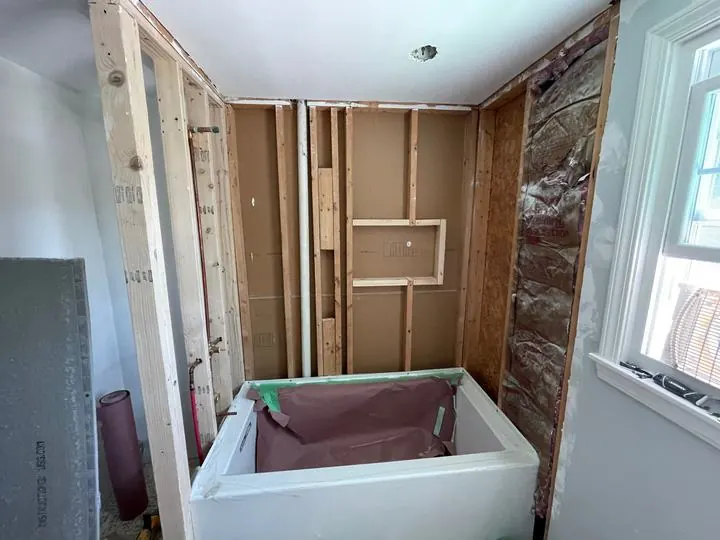 Costs & Budgets9 renovation regrets old-house owners keep telling me aboutOver budget, surprises behind the plaster, work done in the wrong order. A Somerville builder's list of what owners regret and what to do instead.8 min read · Keep reading →
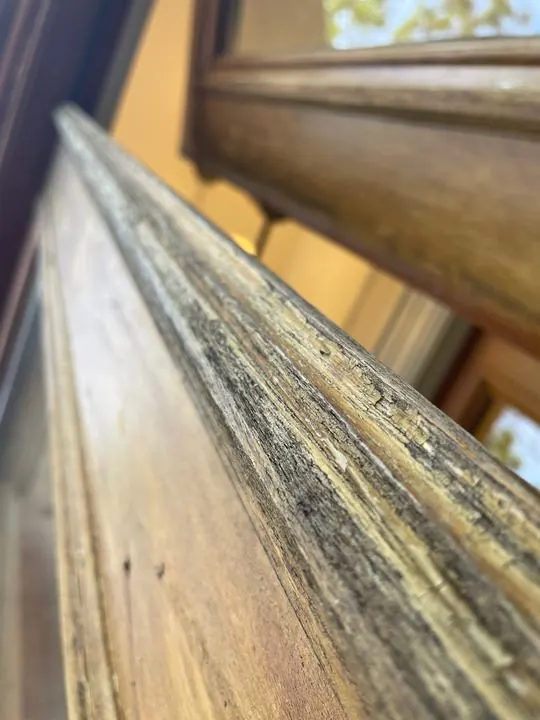 Hiring & PlanningBuying an old house that needs work: a Somerville, Cambridge and Medford checklistBuying an old house that needs work in Somerville, Cambridge or Medford? My builder's checklist: what to inspect, lead and permit lookups, how to budget.4 min read · Keep reading →
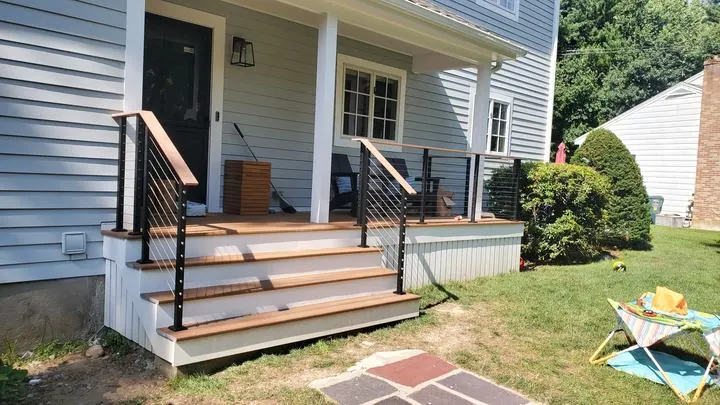 Costs & BudgetsWhich home repairs can wait and which can't: a Somerville builder's triage listMoney is tight and quotes are high. Here is how I sort an old house into fix now, fix this year, plan and save, and safe to defer.7 min read · Keep reading →
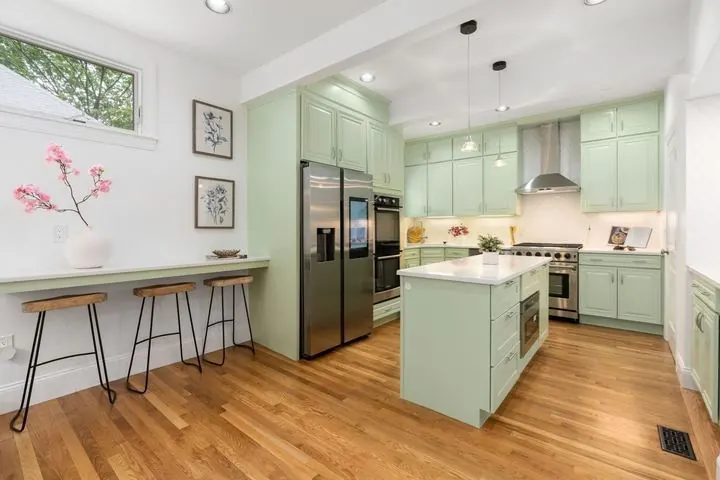 Costs & BudgetsTop 5 renovations that add value to an old houseWhich projects pay back on a 100-year-old Greater Boston house? Five picks from a Somerville builder, with Boston cost recovery data and what to skip.7 min read · Keep reading →
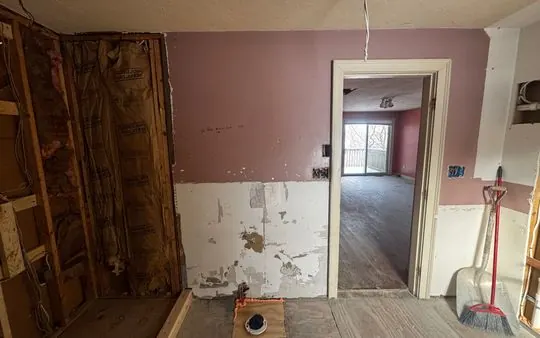 Home Care & SafetyKnob-and-tube, vermiculite and other attic surprises: what to fix before you insulate an older Greater Boston homeOld wiring or gray pebbles in your attic? What knob-and-tube and vermiculite mean for insulating a Somerville, Cambridge or Boston home.3 min read · Keep reading →
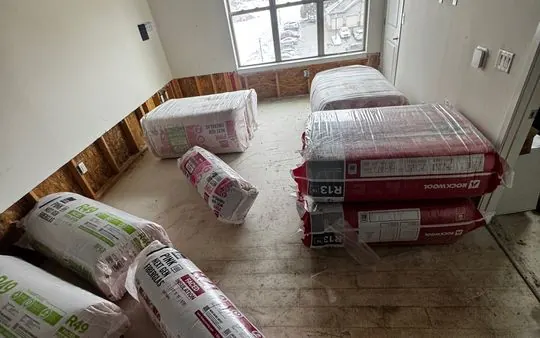 Costs & BudgetsMass Save insulation rebates in 2026: 75–100% off, no-cost options and the steps for Somerville, Cambridge and Greater BostonMass Save insulation in 2026: how the 75–100% off and no-cost offers work, what's covered, the federal credit that ended, and the steps to get started.3 min read · Keep reading →
Mateus Magno founded Magno & Co in 2020. He is a licensed Massachusetts Construction Supervisor (CS-123658), registered Home Improvement Contractor (HIC #220484) and certified Lead-Safe Renovator Supervisor who has renovated and managed over $5 million in projects across Greater Boston.
More about Mateus →