


Refinish or cover? Hardwood vs LVP in a 100-year-old Boston house
Old wood under the carpet? How to check it, how many times it can be sanded, when LVP makes sense and what to test before anyone touches it.
 Mateus Magno
Licensed Construction Supervisor · November 18, 2026 · 8 min read
"Should I refinish the old floors or just put LVP over them?" I hear it from homeowners, landlords and buyers all over Greater Boston, usually while they stand on worn pine or a carpet they want gone. LVP means luxury vinyl plank, the click-together vinyl flooring sold at every big-box store.
The right answer depends on what is under your feet, what the room does all day and what is hiding in the old layers. Here is how I check, decide and stay safe.
What is actually under the carpet or vinyl?
In houses built between 1900 and 1930, there is often real wood under the cover-up. I can't promise it in yours, so look before you decide. Do these checks without prying up anything that looks like tile or sheet vinyl.
| Where to look | What it tells you |
|---|---|
| Inside a closet, at a doorway or under a heating register | A cut edge of carpet or a removable grate shows the layers: wood, plywood, vinyl or tile |
| The basement or crawl space ceiling | Narrow boards at an angle to the joists usually mean an old board subfloor. Wider plywood sheets mean a newer one |
| Where the floor meets a stair, fireplace hearth or threshold | Wood often runs into these edges even when the middle is covered |
| Old vinyl tile, sheet flooring or black glue anywhere | Stop. Treat as possible asbestos until a lab says otherwise |
Look at what's on top, too. Plain carpet over wood is the easy case. A thin hardboard or plywood layer over wood is common, and it hides the boards below. Old vinyl sits in the "test first" group, covered below.
How many times can old hardwood be refinished?
More than most people expect. An NWFA staffer writing in the association's own Hardwood Floors magazine says most solid wood floors can be sanded about 6 to 8 times over their service life. A traditional sanding removes about 1/32 to 1/16 inch of wood. Solid flooring usually has about 1/4 inch or more of wearable wood above the tongue.
Three limits to know:
- Past sanding counts. Floors that were sanded hard or often have less left. Deep drum marks mean more wood has to come off.
- Engineered wood is thinner. The same article puts engineered wear layers at 1/16 to 1/4 inch and says sanding is not recommended below 3/32 inch.
- Nail heads. If you see nail heads shining through the finish, that board has little left.
A refinisher can check this in minutes. Ask to see a board edge at a heat register, where you can often see the thickness.
When does refinishing beat replacing?
I lean toward refinishing when most of the floor is sound solid wood. Scratches, gray patches, old wax, dull finish and even pet stains often sand out. Gaps between old boards are normal. NWFA says original board floors were laid with gaps and tells owners who object to them how to install over the existing floor, but it also says to try refinishing the old floor first.
Refinishing also keeps what buyers of an old house tend to look for. In my list of renovations that add value, I say to refinish original wood floors, not rip them out. I couldn't find solid data comparing resale of LVP and hardwood in Greater Boston, so treat that as my experience, not a statistic. For costs, see my hardwood floor refinishing cost guide. I won't repeat numbers here.
Replace or cover the wood when boards are rotted, badly water-stained through the whole width, or too thin to sand. Also look for a floor that is sagging from below. That is a framing problem, not a finish problem. See sagging floors in an old house.
When does LVP make sense, and what are the downsides?
I'm not against LVP. It does real jobs well.
- Water. Kitchens, mudrooms, laundry areas and basements take spills and leaks that wood doesn't forgive.
- Rentals and turnover. Landlords want a floor that can be wiped, patched and replaced between tenants.
- A failed floor or a tight budget. If the wood is gone, LVP is a sensible new surface.
The downsides are real, too:
- It needs a flat base. Many LVP installation guides ask for a floor flat to about 3/16 inch over 10 feet, and some add 1/8 inch over 6 feet. Old floors often run out of flat. Fixing that means grinding, filling or an underlayment layer.
- It adds height. Underlayment plus planks can raise the floor at doorways, stairs, radiators and the toilet flange.
- It hides problems. A damp spot or a loose board under plastic keeps getting worse out of sight. Check the maker's instructions for what underlayment is allowed over wood.
- It can't be refinished. When it wears out, it comes up and gets replaced.
If you plan to sell, my Renovate to Sell guide covers which floor work buyers pay attention to and what to leave alone.
What must you test before anyone sands or rips up old flooring?
This is the part people skip. Do it first.
Lead. In a pre-1978 house, lead is mainly a paint question. Check painted floors, painted borders, stairs, baseboards and trim. Sanding makes fine dust, and a floor that was painted years ago is the same as any painted surface. Under the EPA's RRP rule, anyone paid to disturb paint in a pre-1978 home must be certified, and the EPA's contractor page says certain work practices are prohibited regardless of size. Power sanding is one unless the tool has a shroud and a HEPA vacuum. Homeowners doing their own work in their own home are generally outside the rule, but landlords and property managers working on rentals are covered even when they do the work themselves. I'd follow the same practices anyway, with no dry sanding of painted surfaces. Massachusetts runs its own version through the Department of Labor Standards. See my lead-safe renovation guide. I couldn't confirm lead in clear floor finish, so my advice is to test any painted surface.
Asbestos. The EPA lists vinyl floor tile, the backing on vinyl sheet flooring and flooring adhesive as places asbestos may be found. You can't tell by looking. A licensed asbestos inspector should test before anything is scraped, sanded or pulled up. Massachusetts requires a survey before most renovation work. Covering a tested, intact floor can be an option, so ask the inspector. Read my asbestos floor tile guide for the clues and the Massachusetts rules.
What about radiators, squeaks, sound and basements?
Heat. Steam and hot-water radiators heat the room from the wall, not from under the floor. Wood still moves with the seasons, so expect small gaps near radiators in a dry winter. Floors over in-floor heat are a different case. Check the maker's allowed floor temperature and whether the product is approved over radiant heat. NWFA material says engineered wood is more dimensionally stable than solid wood.
Squeaks and sound. Squeaks usually come from loose boards rubbing nails or each other. Fixing them from below, when you can reach the subfloor, beats covering them up. In two- and three-families, floors carry impact noise to the unit below. Carpet and padding helped with that. A hard floor in an upstairs unit can make it worse. Look at soundproofing between floors and your condo documents before you pull carpet.
Basements and slabs. NWFA recommends engineered wood only over below-grade slabs. Solid wood over concrete risks warping or splitting, per its published guidance. The same piece describes an ASTM F2170 relative humidity test for slabs and a Class I vapor retarder on the slab. If a basement gets wet, fix the water first. See wet basement repair.
What about fumes and living in the house?
Every option gives off something. Refinishing uses sealers and finish, glue-down LVP uses adhesive, and some engineered floors have composite cores.
- For finish: ask the finisher for the product data sheet and the safety data sheet. Look for recoat times, ventilation and when it is safe to walk, move furniture and put rugs down. Consumer guides say water-based finishes cure fully in about one to two weeks and oil-based finishes in up to a month. Trust the sheet for your product. Rags soaked in oil-based finish can heat up and catch fire as they dry, so lay them flat outdoors or keep them under water in a sealed metal can. Ask the finisher how long to stay out of the house.
- For LVP: ask for the FloorScore certificate. The Resilient Floor Covering Institute says it certifies that a hard-surface product and its adhesives meet California Section 01350 emissions limits, tested in chambers. It covers the product, not the installation.
- For engineered wood: composite wood panels, including hardwood plywood, fall under the federal formaldehyde rule, under EPA's formaldehyde rule for composite wood (TSCA Title VI). Compliant products carry a label, so ask for it.
If you'll be home during the work, read my guide to living in the house during a renovation.
My five-step plan for this week
| Step | Who does it |
|---|---|
| 1. Look under a closet carpet corner or heating register, and from the basement | You |
| 2. If you see old tile, sheet vinyl or black glue, stop and book a licensed asbestos inspector | Licensed pro |
| 3. Check painted floors and trim for lead, and hire a lead-safe firm if you pay for sanding | Certified firm |
| 4. Ask a refinisher about wear layer, sanding history and the finish data sheet | You and the refinisher |
| 5. Decide room by room: refinish the sound wood, use LVP where water or turnover is the issue | You |
Want a second set of eyes on your floors?
I'm Mateus, a licensed builder based in Davis Square. Since 2020 I've renovated and managed over $5 million in projects around Somerville and Greater Boston. If you're not sure what's under your carpet or which floor suits each room, book a free walkthrough and we'll look at it together.
Frequently asked questions
How many times can you refinish hardwood floors?
An NWFA staffer writing in Hardwood Floors magazine says most solid wood floors can be sanded about 6 to 8 times over their service life, with each sanding removing about 1/32 to 1/16 inch. Engineered floors have thinner wear layers, 1/16 to 1/4 inch, and sanding is not recommended below 3/32 inch.
Is it better to refinish hardwood or install LVP in an old house?
If most of the wood is sound, refinishing is usually the better choice. LVP makes sense where water, tenant turnover or a failed floor is the problem. It needs a flat base, hides what is under it and can't be refinished.
Can you put LVP over old hardwood floors?
Sometimes, but old floors often miss the flatness most LVP installers ask for, about 3/16 inch over 10 feet. You may need grinding, filling or an underlayment layer, which also raises the floor height. Check the maker's instructions for installing over wood.
Could the old floor under my carpet or vinyl contain asbestos?
Old vinyl floor tile, the backing on vinyl sheet flooring and flooring adhesive can contain asbestos, according to the EPA. You can't tell by looking. Have a licensed asbestos inspector test before anyone scrapes, sands or pulls it up.
Do I need lead-safe practices to sand old floors?
If you pay someone to disturb paint in a pre-1978 home, they must be certified under the EPA's RRP rule, which prohibits power sanding without a shroud and HEPA vacuum. Painted borders, stairs and trim are the main concern. Homeowners doing their own work in their own home are generally outside the rule. Landlords working on rentals are not, and the same practices are wise for everyone.
Can I put solid hardwood in a basement?
NWFA recommends engineered wood only over below-grade concrete slabs, because solid wood risks warping or splitting there. The slab should be moisture tested, and any water problem should be fixed before new flooring goes down.
See how I do floors in Somerville and how I price work.
Read this next
 Kitchens, Baths & ExteriorsHardwood floor refinishing cost: old oak and maple floors in Somerville and CambridgeHardwood floor refinishing cost for Somerville and Cambridge homes: sand vs screen and recoat, water vs oil finish, lead-safe rules and time away.4 min read · Keep reading →
 Home Care & SafetyAsbestos floor tiles: how to tell, what to do, and Massachusetts rulesAsbestos floor tiles: how to tell if old 9x9 tiles may contain it, why never to sand them, testing, and MassDEP rules for Somerville and Boston homes.4 min read · Keep reading →
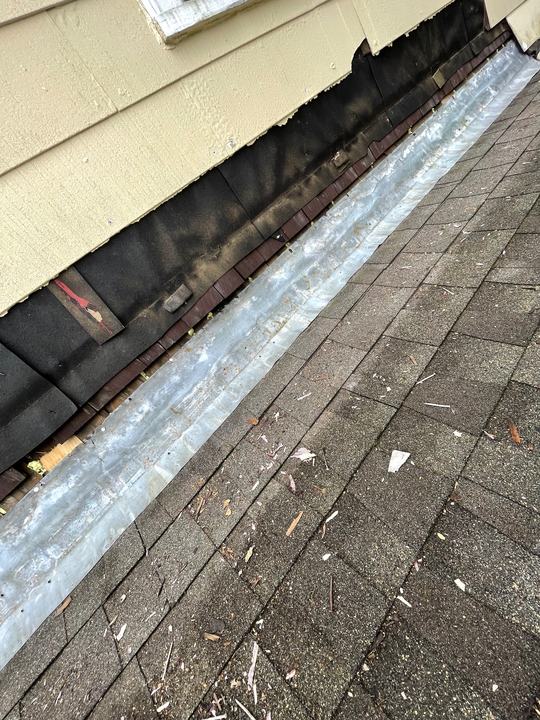 Home Care & SafetyRenovating a pre-1978 home? What lead-safe work means for youMost Greater Boston homes were built before 1978. Here's what the lead-safe rules require, what it looks like on site, and how to protect your family.3 min read · Keep reading →
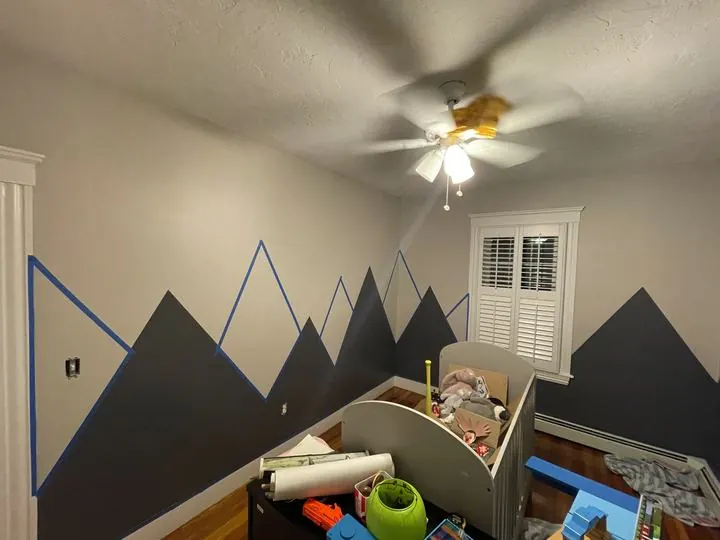 Home Care & SafetyCan You Live in Your House During a Renovation? A Builder's Phase-by-Phase AnswerDust, noise, no kitchen, kids and a dog. A Somerville builder explains what each phase means, how to contain it and when to pack a bag.9 min read · Keep reading →
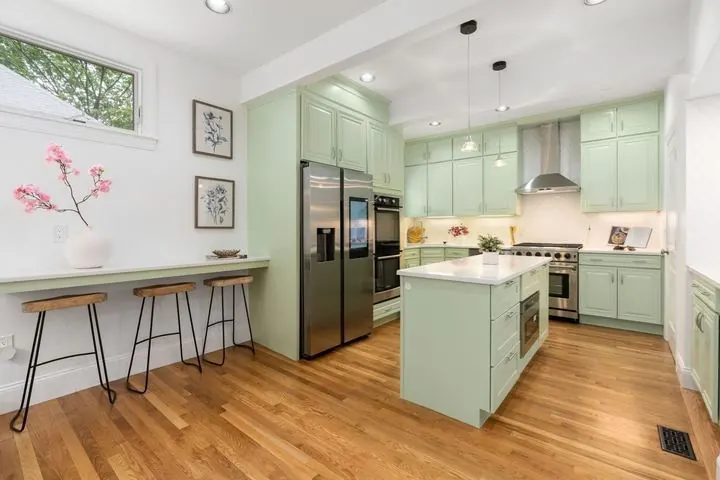 Costs & BudgetsTop 5 renovations that add value to an old houseWhich projects pay back on a 100-year-old Greater Boston house? Five picks from a Somerville builder, with Boston cost recovery data and what to skip.7 min read · Keep reading →
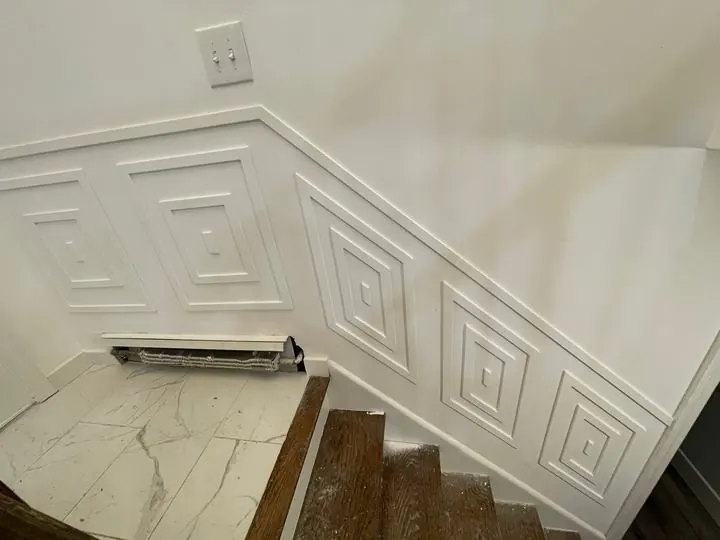 Hiring & PlanningSoundproofing between floors in two- and three-family homes: what actually worksSoundproofing between floors in Somerville and Cambridge multi-families: impact vs airborne noise, STC and IIC code numbers, methods and condo rules.4 min read · Keep reading →
Mateus Magno founded Magno & Co in 2020. He is a licensed Massachusetts Construction Supervisor (CS-123658), registered Home Improvement Contractor (HIC #220484) and certified Lead-Safe Renovator Supervisor who has renovated and managed over $5 million in projects across Greater Boston.
More about Mateus →