






Dense-pack cellulose: how to insulate the walls of an old Somerville, Cambridge or Boston house without tearing them out
Most Greater Boston homes built before 1940 have empty walls. How dense-pack cellulose is blown into existing walls, what it costs, and what to check first.
 Mateus Magno
Licensed Construction Supervisor · October 22, 2026 · 3 min read
If your Somerville, Cambridge or Boston house was built before about 1940, there's a good chance its walls have nothing in them: just siding, boards, an air gap and plaster. You can feel it on a windy January day when an outside wall is cold to the touch.
The good news: you don't need to gut the house. Dense-pack cellulose fills those empty walls through small holes, and it's the method most Mass Save and retrofit crews use on older Greater Boston homes.
What "dense-pack" means
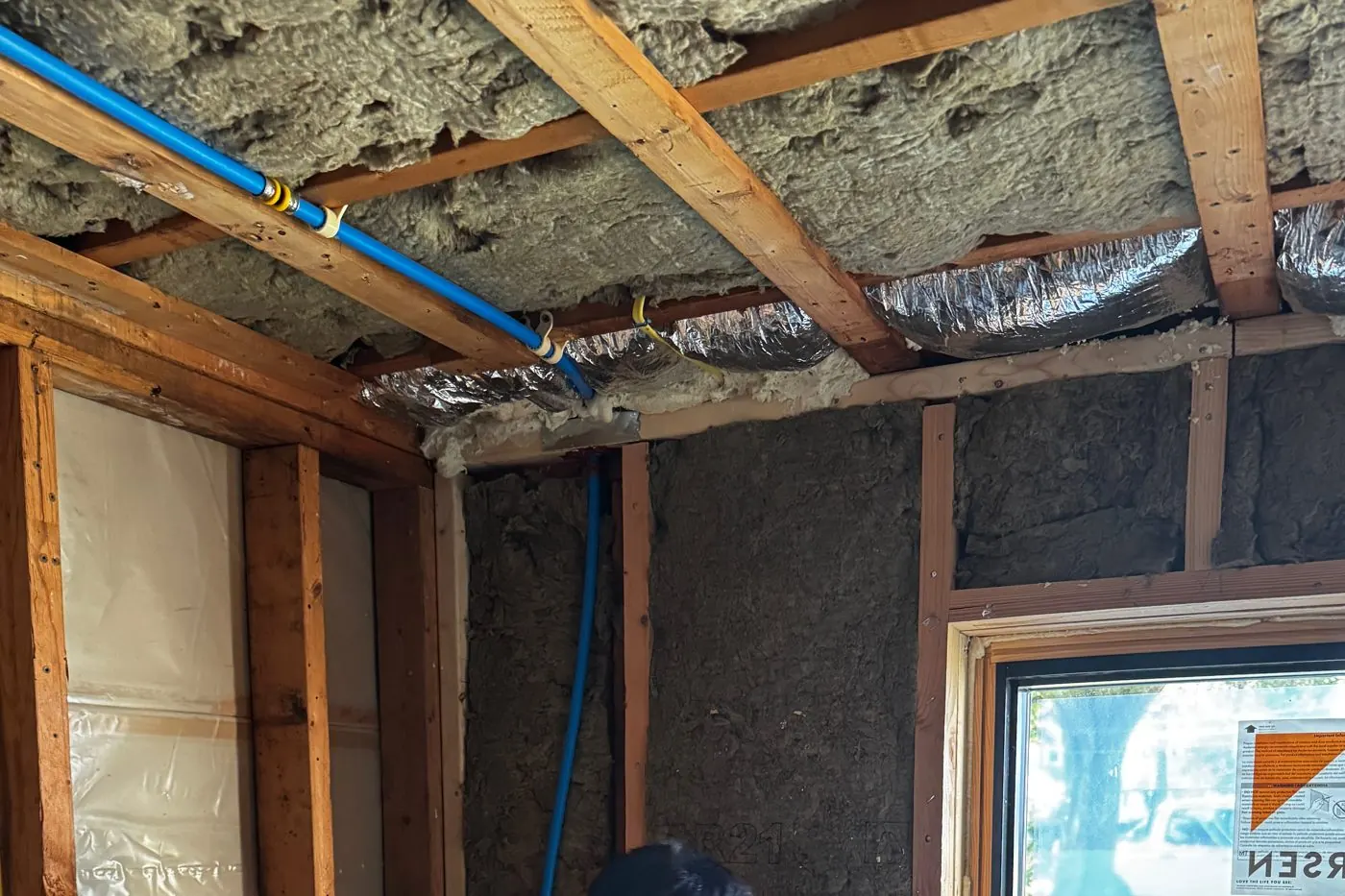
Regular loose-fill cellulose is blown loosely onto an attic floor. Dense-pack is different. A crew uses a long fill tube and a powerful blower to pack cellulose tightly into a closed cavity, typically to about 3.5 pounds per cubic foot. At that density:
- It won't settle and leave a cold gap at the top of the wall.
- It slows air movement through the wall, so you get air sealing on top of the R-value.
- A 2x4 wall (3.5 inches) gets about R-12 to R-13. Old full-dimension studs give a bit more.
How the job works
- Inspection. The crew checks for knob-and-tube wiring, moisture, and what's inside the walls. Knob-and-tube must be addressed first.
- Access holes. From the outside, the crew carefully removes a row of clapboards or shingles and drills a 1–2 inch hole into each stud bay. From the inside, they drill through plaster and patch afterward.
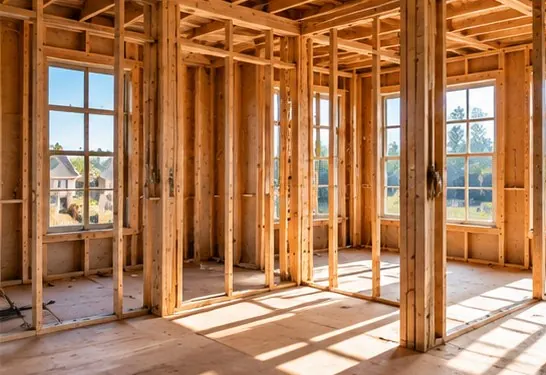
- Fill each bay. The tube goes up and down inside the cavity, packing it full. Blocking, fire stops and windows split walls into separate bays, so each needs its own hole.
- Close up. Holes are plugged, siding is put back, and interior holes are patched and ready for paint.
A typical Somerville or Cambridge two-family takes a crew a few days for the walls.
Balloon framing: why it matters here
Many older Greater Boston houses, including lots of triple-deckers, are balloon-framed. The studs run continuously from the basement sill to the roof. Without fire blocking at each floor, a wall cavity is a three-story chimney. Good crews:
- Block the cavities at the floor lines and top, often with a dense-packed "plug" or a bag.
- Seal the cavity bottoms in the basement so cellulose doesn't fall into the basement.
- Fill every bay from top to bottom, including the short ones above and below windows.
Read more about these homes in insulating Somerville and Cambridge's old homes.
What to check before you dense-pack
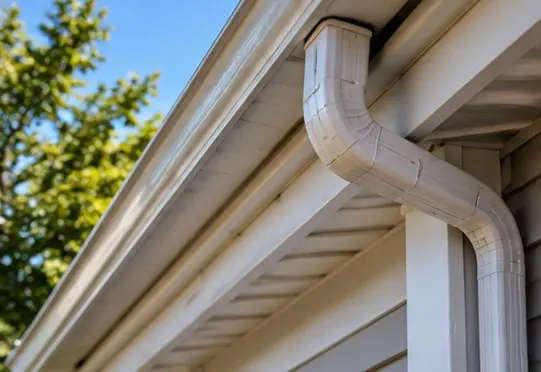
- Moisture. Fix gutters, leaky trim and failed paint first. Walls that get wet need to dry.
- Knob-and-tube wiring. Many electrical codes don't allow it to be buried in insulation. A licensed electrician must check or replace it first.
- Lead paint. Removing siding on a pre-1978 house disturbs painted surfaces, so lead-safe work practices apply. See my lead paint guide.
- Historic districts. If you're in a Somerville local historic district, check whether exterior work needs review. Drilling from inside avoids most of that.
Cost and rebates
Wall insulation costs more than an attic job because of the labor in each bay and the siding work. On my map of real Greater Boston jobs, whole-house projects with walls usually land in the $5,000–$15,000 range, depending on size. See real insulation prices by town. In an existing home, Mass Save usually covers 75% of approved wall insulation, or all of it for income-eligible households.
Have mice in the house? Read why the gap matters more than the insulation, and what to seal before the crew arrives.
Wondering what happens to the plaster afterward? Here is how I think about patching, skimming or replacing old plaster.
Ready to warm up those outside walls?
Magno & Co insulates walls in older homes across Somerville, Cambridge and Greater Boston, and handles the siding, plaster patching and painting around it. Book a free walkthrough.
Frequently asked questions
Can you add insulation to existing walls without removing drywall or plaster?
Yes. Dense-pack cellulose is blown into closed walls through small holes drilled from outside (under a lifted row of siding) or from inside, and then the holes are patched.
What R-value does dense-pack cellulose give?
About R-3.5 to R-3.8 per inch, so a standard 2x4 wall gets roughly R-12 to R-13. Dense-packing also reduces air leakage through the wall.
Will dense-pack cellulose settle?
Not when it's installed at the right density, about 3.5 pounds per cubic foot. Loose-fill cellulose in a wall can settle and leave a gap at the top. That's why walls are dense-packed.
Can you dense-pack walls with knob-and-tube wiring?
Not until a licensed electrician has checked it. Knob-and-tube wiring generally shouldn't be buried in insulation, so it must be evaluated, disconnected or replaced first.
Planning work in Cambridge? See how I work as a general contractor in Cambridge, MA.
See everything I do, how I price work and the towns I work in.
Read this next
 Somerville & ADUsInsulating Somerville and Cambridge's old homes: triple-deckers, flat roofs and empty wallsSomerville's median home dates to 1938. What 197 local insulation quotes show, and how to insulate triple-deckers, two-families and flat roofs the right way.3 min read · Keep reading →
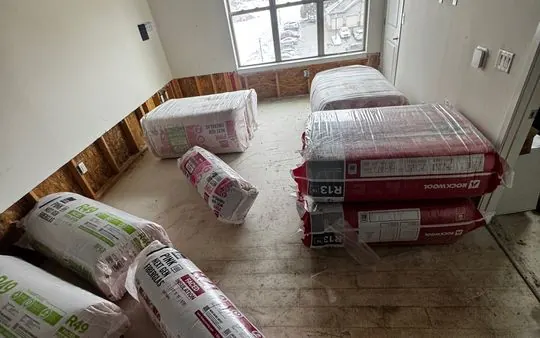 Costs & BudgetsMass Save insulation rebates in 2026: 75–100% off, no-cost options and the steps for Somerville, Cambridge and Greater BostonMass Save insulation in 2026: how the 75–100% off and no-cost offers work, what's covered, the federal credit that ended, and the steps to get started.3 min read · Keep reading →
 Home Care & SafetyCracks in old plaster: which ones are normal and which are a warning signHairline lines, map cracks or a belly in the ceiling? A Somerville builder explains what each means, what's safe to patch and when to keep plaster or go drywall.9 min read · Keep reading →
 Home Care & SafetyDo mice eat spray foam? Why the gap matters more than the insulationBefore a winter insulation job, a Somerville builder sorts what the evidence says about mice and foam, cellulose and fiberglass, and what to seal first.8 min read · Keep reading →
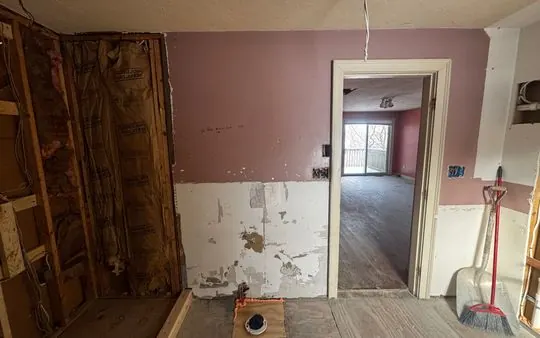 Home Care & SafetyKnob-and-tube, vermiculite and other attic surprises: what to fix before you insulate an older Greater Boston homeOld wiring or gray pebbles in your attic? What knob-and-tube and vermiculite mean for insulating a Somerville, Cambridge or Boston home.3 min read · Keep reading →
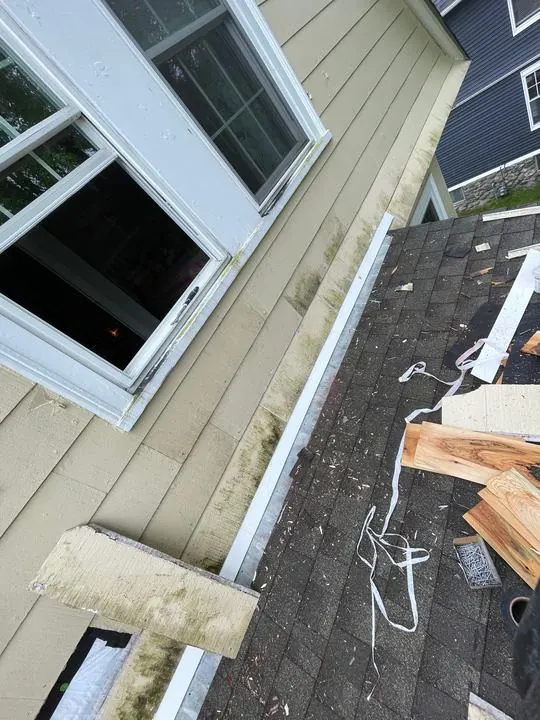 Kitchens, Baths & ExteriorsSiding in Somerville, MA: vinyl vs. fiber cement vs. wood clapboard vs. cedar shinglesChoosing siding in Somerville, MA? A builder compares vinyl, fiber cement (Hardie board), wood clapboard and cedar shingles, plus lead rules and permits.4 min read · Keep reading →
Mateus Magno founded Magno & Co in 2020. He is a licensed Massachusetts Construction Supervisor (CS-123658), registered Home Improvement Contractor (HIC #220484) and certified Lead-Safe Renovator Supervisor who has renovated and managed over $5 million in projects across Greater Boston.
More about Mateus →