




Siding in Somerville, MA: vinyl vs. fiber cement vs. wood clapboard vs. cedar shingles
Choosing siding in Somerville, MA? A builder compares vinyl, fiber cement (Hardie board), wood clapboard and cedar shingles, plus lead rules and permits.
 Mateus Magno
Licensed Construction Supervisor · October 20, 2026 · 4 min read
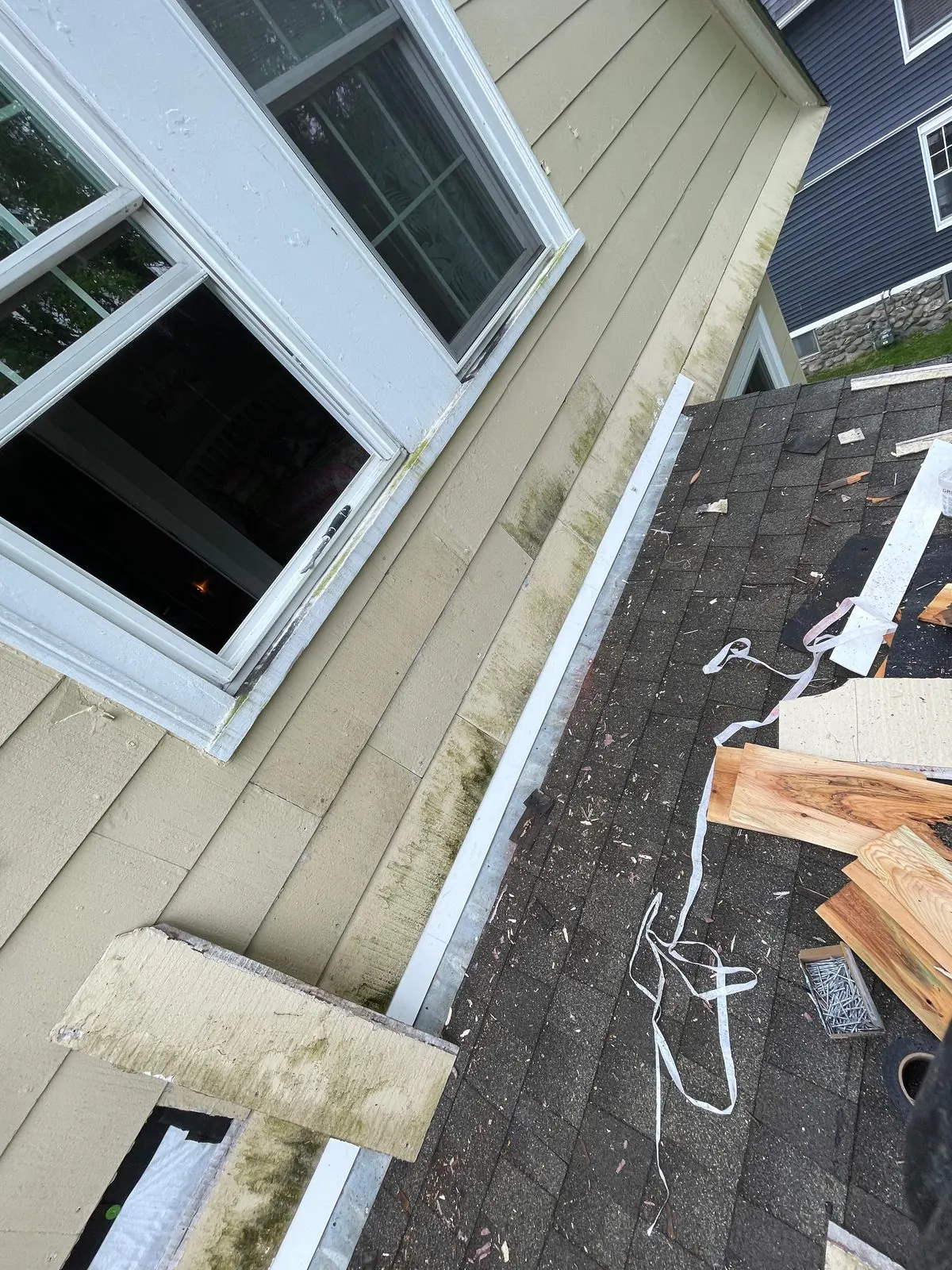
If you're shopping for siding in Somerville, MA, you're really choosing between four materials: vinyl, fiber cement, wood clapboard and cedar shingles. I've re-sided and repaired a lot of 1900–1930 triple-deckers and two-families around Davis Square, Union Square and East Somerville, and the right answer depends on your budget, your block and what's hiding under the old siding.
Short version: fiber cement is the best all-rounder for most homes, real wood is the right call on historic houses, and vinyl only makes sense when budget rules everything and your house isn't in a local historic district.
Siding options in Somerville, MA at a glance
| Material | New England weather | Upkeep | Look on an older home |
|---|---|---|---|
| Vinyl | Won't rot; can crack when struck in deep cold and warp near heat | Wash it; no painting | Thinner profile, visible seams |
| Fiber cement (e.g. Hardie) | Won't rot; stays flat and stable | Repaint every so often; caulk joints | Closest match to painted clapboard |
| Wood clapboard | Lasts generations if kept painted and dry | Regular scraping and painting | Authentic; easy to match original trim |
| Cedar shingles | Sheds water well; weathers naturally | Stain or leave natural; replace splits | Classic New England texture |
Vinyl siding: lowest upkeep, biggest trade-offs
Vinyl is usually the lowest-cost option up front, and you never paint it. That's the whole pitch.
- Look: on a triple-decker with deep cornices and bay windows, vinyl often gets wrapped around trim that should stay visible. The house loses its character fast.
- Durability: I see cracked panels after winter impacts and wavy panels next to grills and dryer vents.
- Code: the residential code requires vinyl siding to be certified to the ASTM D3679 standard (IRC 2021, Section R703.11). Ask your installer for the label.
Fiber cement vs. vinyl siding: why I usually pick Hardie board
Fiber cement is a mix of cement, sand and wood fiber. It's heavier and slower to install than vinyl, but it behaves much more like wood without the rot.
- It looks right. Smooth-finish lap boards with proper corner boards pass for painted clapboard from the sidewalk.
- It holds paint well. Factory-finished boards save a paint cycle at the start.
- Details matter. Cut edges get sealed, butt joints get flashed, and the bottom course stays clear of roofs, decks and grade per the maker's instructions. Skip those and you'll see swelling.
Wood clapboard and cedar shingles: is shingle siding good?
Yes. Cedar shingles are one of the best-performing sidings in our climate when they're installed over a proper barrier and allowed to dry. Wood clapboard is what most Somerville houses were built with, and it can last generations if you keep paint on it.
- Pros: authentic, repairable board by board, and the material the city's preservation guidelines favor.
- Cons: more maintenance. Plan on scraping and repainting clapboard, and replacing split or cupped shingles.
Moisture and fire details that matter more than the brand
Massachusetts' residential code is the 2021 International Residential Code with state amendments (780 CMR, 10th edition). Two parts of it shape every siding job I do:
- Water-resistive barrier: at least one continuous layer goes behind the siding, tied into flashing at windows, doors and other openings (IRC R703.2). On a 100-year-old house, there's often nothing behind the old boards but sheathing.
- Fire near the lot line: houses here sit close together, and the code sets fire-resistance rules for exterior walls near the property line (IRC R302.1). I check side-wall distances with the inspector before choosing the assembly.
Lead paint under old siding: lead-safe rules
Many Somerville houses have painted wood clapboard hiding under aluminum or vinyl. Taking that layer off can disturb lead paint.
- EPA's Renovation, Repair and Painting rule covers paid work on homes built before 1978. Its minor-repair exemption on the exterior only covers 20 square feet or less of disturbed paint (EPA).
- EPA says removing old siding over lead-painted wood is covered when it disturbs more than 20 square feet of paint, and recommends erring on the side of containment (EPA FAQ).
- In Massachusetts, contractors doing this work must hold a Lead-Safe Renovation Contractor license from the Department of Labor Standards (Mass.gov). More in my lead paint guide.
Permits and historic district approval in Somerville
- Building permit: Somerville requires one for all interior and exterior work except painting, tiling and flooring. On a three-family or larger, a licensed contractor must pull it (Somerville ISD). See my permit guide.
- Local historic districts: the Historic Preservation Commission reviews visible changes to design or materials. Like-for-like replacement isn't reviewed, but you still submit through CitizenServe (Somerville HPC).
- Vinyl is out: the Commission's design guidelines prohibit synthetic siding (aluminum, vinyl, artificial stone or brick) except in rare hardship cases. Fiber cement isn't named, so ask staff before you order. Details in my historic districts guide.
On cost, every house is different. Price swings on wall area, height and staging, how much trim gets rebuilt, rot repair, lead-safe tear-off and parking on tight Somerville streets. I give a written line-item budget after a free walkthrough.
Need a hand?
If you're weighing vinyl, fiber cement or wood for your Somerville, Cambridge or Medford home, book a free walkthrough. I'll check what's under the old siding, flag lead and historic-district issues, and send a written line-item budget, usually within 48 hours.
Frequently asked questions
Is Hardie board better than vinyl siding in Massachusetts?
For most older Somerville homes, yes. Fiber cement looks like painted clapboard, won't rot and stands up to New England weather, while vinyl costs less up front but can crack, warp and hide trim details.
Is cedar shingle siding good?
Yes, cedar shingles perform well in New England when installed over a proper water-resistive barrier and allowed to dry. Expect to replace the occasional split shingle and to stain or let them weather naturally.
Do I need a permit to replace siding in Somerville?
Yes. Somerville requires a building permit for all exterior work except painting, and on a three-family or larger a licensed contractor must pull it.
Can I put vinyl siding on a house in a Somerville historic district?
Generally no. The Historic Preservation Commission's design guidelines prohibit synthetic siding such as vinyl and aluminum except in rare hardship cases.
See everything I do, how I price work and the towns I work in.
Read this next
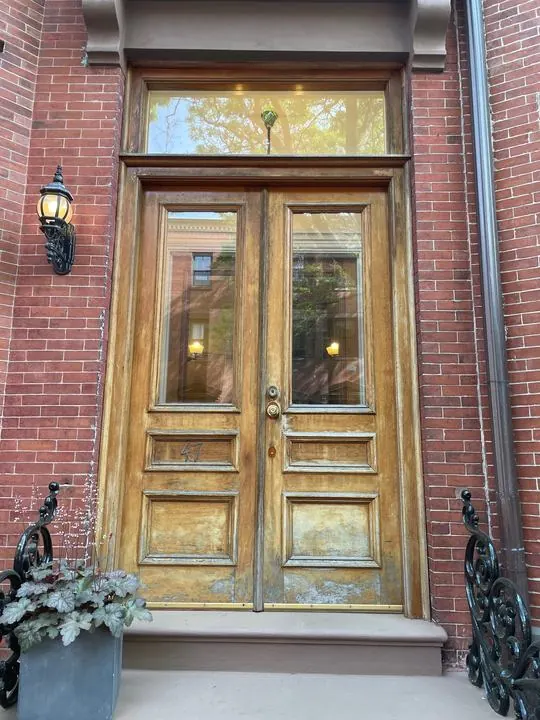 Permits & RulesChanging windows, siding or porches in a Somerville historic districtPlanning new windows, siding or a porch in a Somerville Local Historic District? How HPC review works, what needs approval, and how to plan your timeline.3 min read · Keep reading →
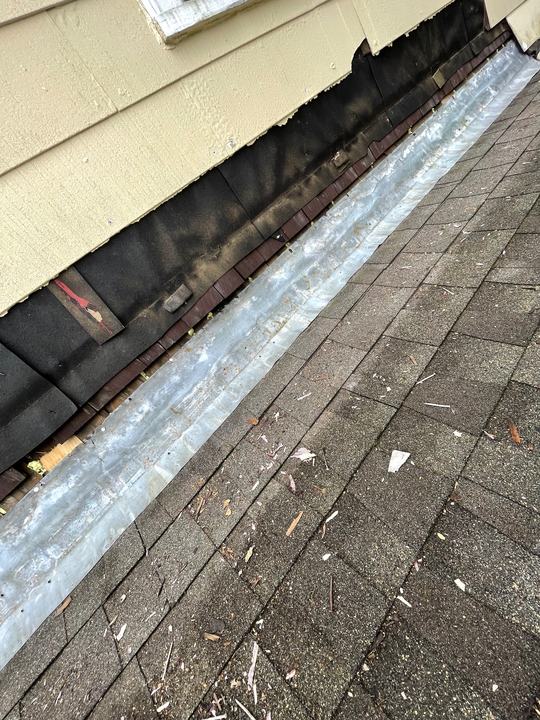 Home Care & SafetyRenovating a pre-1978 home? What lead-safe work means for youMost Greater Boston homes were built before 1978. Here's what the lead-safe rules require, what it looks like on site, and how to protect your family.3 min read · Keep reading →
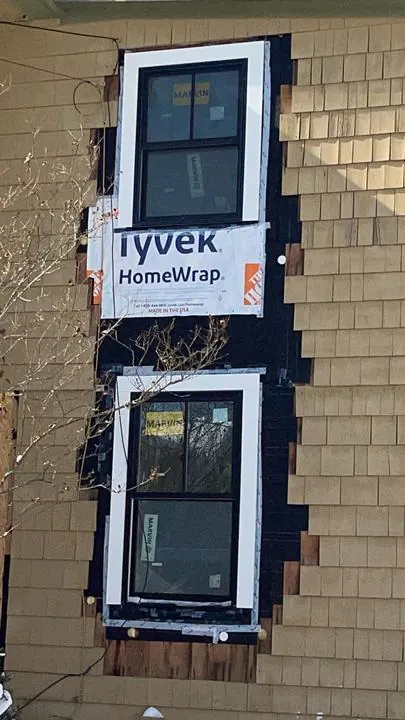 Kitchens, Baths & ExteriorsWindow Replacement in Somerville, MA: Replace, Repair or Add Storm Windows?Window replacement in Somerville, MA: when to replace, repair or add storms on older homes, lead-safe rules, historic review, Mass Save and egress sizes.4 min read · Keep reading →
 Home Care & SafetyDense-pack cellulose: how to insulate the walls of an old Somerville, Cambridge or Boston house without tearing them outMost Greater Boston homes built before 1940 have empty walls. How dense-pack cellulose is blown into existing walls, what it costs, and what to check first.3 min read · Keep reading →
 Kitchens, Baths & ExteriorsGutter replacement cost in Greater Boston: aluminum, copper and wood gutters on old homesGutter replacement cost in Greater Boston: national prices by material, seamless aluminum vs copper vs wood on Somerville homes, downspouts and fascia rot.4 min read · Keep reading →
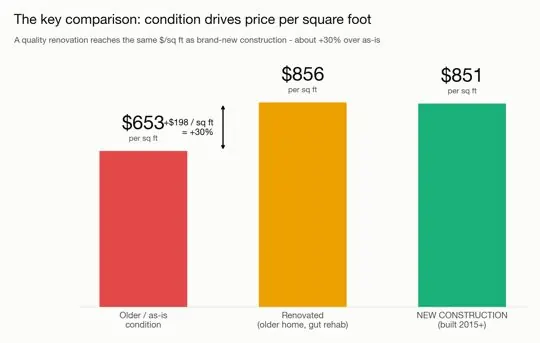 Somerville & ADUsSomerville home prices over 20 years — and why renovated homes sell for $200 more per square footThe median Somerville home now sells for about $1 million. The bigger story is condition: renovated homes trade about 30% higher per square foot than as-is homes.3 min read · Keep reading →
Mateus Magno founded Magno & Co in 2020. He is a licensed Massachusetts Construction Supervisor (CS-123658), registered Home Improvement Contractor (HIC #220484) and certified Lead-Safe Renovator Supervisor who has renovated and managed over $5 million in projects across Greater Boston.
More about Mateus →