








Can You Live in Your House During a Renovation? A Builder's Phase-by-Phase Answer
Dust, noise, no kitchen, kids and a dog. A Somerville builder explains what each phase means, how to contain it and when to pack a bag.
 Mateus Magno
Licensed Construction Supervisor · November 18, 2026 · 9 min read
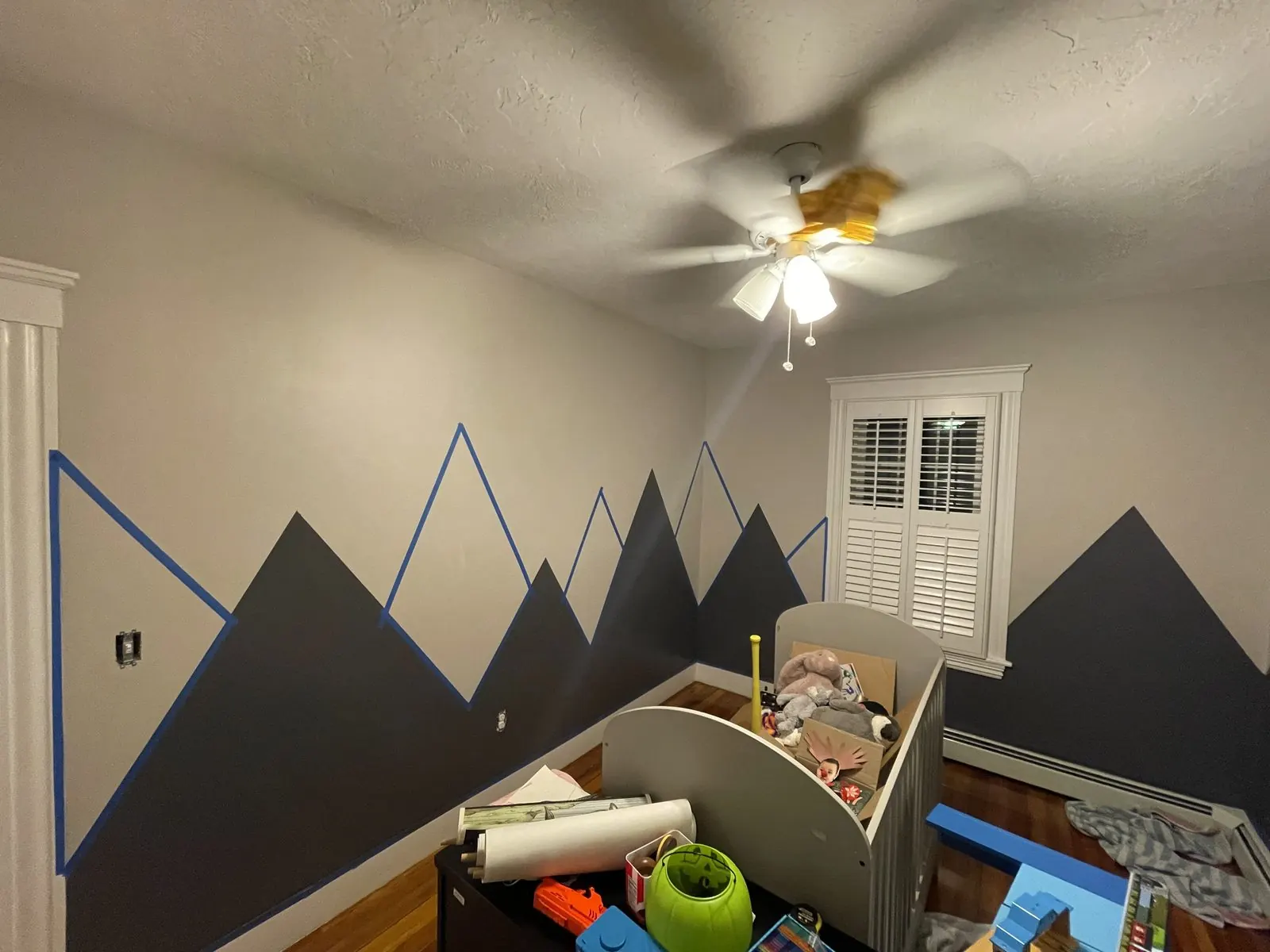
"Can we stay in the house while you work?" is one of the first questions homeowners across Greater Boston ask me, usually right before "and what about the dog?" The honest answer is: often yes, for parts of the job, if you plan for it.
Here is what each phase of a renovation means for dust, noise and utilities, how to keep the mess contained, how to set up a temporary kitchen, and the signs that it is time to leave.
Can you really live in the house?
Some people stay for the whole job, some leave for two weeks, some leave for all of it. Three things decide it: how much of the house the work touches, who lives there, and whether you can keep one clean, quiet part of the house sealed off.
A bathroom remodel with a second bathroom upstairs is very livable. A kitchen remodel is livable if you build a small temporary kitchen. A gut renovation of a floor you also sleep on usually is not.
| Phase | Dust | Noise | Utilities | Stay? |
|---|---|---|---|---|
| Demolition | High, and it travels | Loud, often a few days | Water, gas or power to the area may be shut off | Possible with containment, easier if you are out during the day |
| Rough-in (framing, plumbing, electrical) | Moderate | Loud in bursts | The most shutoffs: water, power, sometimes heat | Usually fine if you plan for the shutoffs |
| Drywall and plaster | The dustiest phase, mostly during sanding | Moderate | Usually back on | Good time to have a rest-of-house sealed off, or to be away |
| Finishes (paint, flooring, trim) | Lower, but fumes and smells | Moderate | Back on, with short interruptions | Many people leave for floor finishing |
Scope changes this, so ask your builder for the phases of your own job, with dates, before you sign. For durations, see how long a kitchen remodel takes and the bathroom remodel timeline.
How do you keep the dust out of the rest of the house?
You do not keep all of it out. You keep most of it out, and you clean what gets through. A good setup has four parts.
- A zip wall. A sheet of plastic from floor to ceiling with a zipper door, held up with tension poles or tape, between the work and the rest of the house. It beats a loose sheet taped over a doorway because people can pass without tearing it.
- Negative air. A fan in a window or doorway that blows air from the work area to the outside, so the work area sits at slightly lower pressure than the rest of the house. Air then leaks into the work area, not out of it. If the house has a gas or oil boiler, furnace or water heater, tell your builder first: lower air pressure can pull exhaust gases back into the house, so a licensed HVAC pro should check that those appliances still vent safely. Keep working carbon monoxide alarms on every level. Some crews also run an air scrubber with a HEPA filter.
- Floor protection. Rosin paper or hard board on the route workers walk, with sticky mats at the zip door. Cover or move furniture and rugs near the work.
- Closed heating and cooling paths. Cover or close supply and return vents inside the work area so dust is not pulled through ducts to the other rooms.
Ask your builder who sets this up, who maintains it and what the daily clean-up routine is. A crew that vacuums with a HEPA vacuum at the end of each day leaves you a much better house to come home to than one that sweeps.
What about water, power and heat shutoffs?
Shutoffs are the part people forget. Each trade needs the system off at some point, and you should know about it a day ahead, not when the water stops.
- Water: expect shutoffs for plumbing rough-in and fixture swaps. Fill a few jugs and a bathtub if you have one, and ask how long each shutoff will last.
- Power: circuits in the work area are usually turned off at the panel. Move the fridge, the router and anything medical off those circuits before work starts.
- Gas: gas work and appliance disconnects are done by a licensed gas fitter, not by you. Do not cap or reconnect a gas line yourself. If you smell gas, leave the house and call 911 or the gas company from outside.
- Heat: in winter, ask whether the work area will be heated at all and whether the boiler or furnace stays on for the rest of the house.
While the walls are open, make sure your smoke and carbon monoxide alarms still work in the occupied part of the house. See the Somerville smoke and CO detector rules. If a CO alarm sounds, get everyone outside and call 911 or the fire department. Do not try to find the cause yourself.
How loud will it be, and can you work from home?
Demolition and framing are the loudest. Tile cutting, drilling and floor sanding are close behind. If you work from home, plan on headphones, a room on the far side of the house or a coworking day pass for the loud days.
Work hours in Somerville are regulated, and dumpster placement needs a permit. See construction hours, noise and dumpster permits. If you share a building, tell neighbors and other units before demo starts. In a triple-decker, noise and dust travel through floors, so see my notes on sound between floors.
How do you cook with no kitchen?
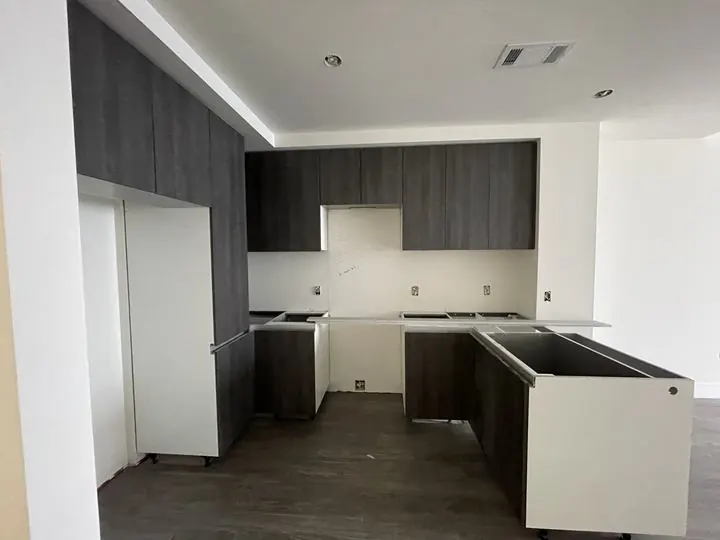
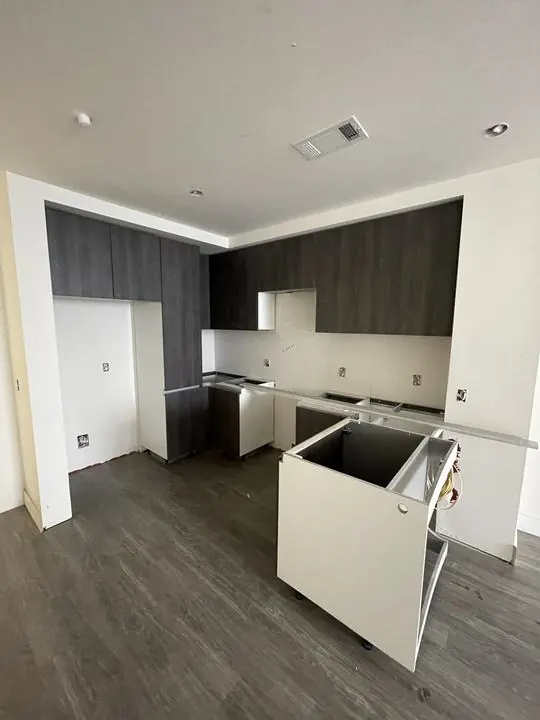
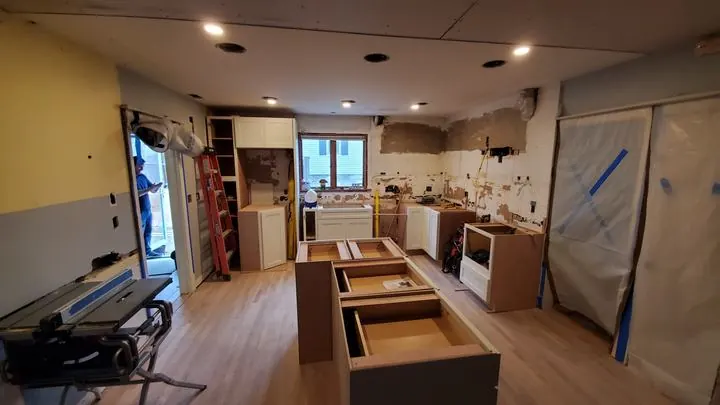
Most kitchen remodels have a stretch of a few weeks with no working sink or stove. The households that cope best set up a temporary kitchen before the old one is removed, in a room away from the dust: a dining room, a hallway, a finished basement.
| Set up | What it replaces | Notes |
|---|---|---|
| Fridge, moved out of the work zone | Your main fridge, or a mini fridge | Keep it on a circuit that stays on |
| Microwave, toaster oven, hot plate or slow cooker | Range and oven | Do not plug several into one circuit. Never use a charcoal or gas grill indoors |
| Bathroom or laundry sink | Kitchen sink | Wash dishes there, and use paper plates for the worst days |
| A rolling cart or a closet shelf | Pantry and counters | Pack the rest and store it away from the work |
Plan simple dinners, and expect takeout on demo and countertop days. My Kitchen Remodel Planner has a checklist for what to decide before demolition, and kitchen remodel mistakes covers what people regret.
Kids and pets: what to set up first
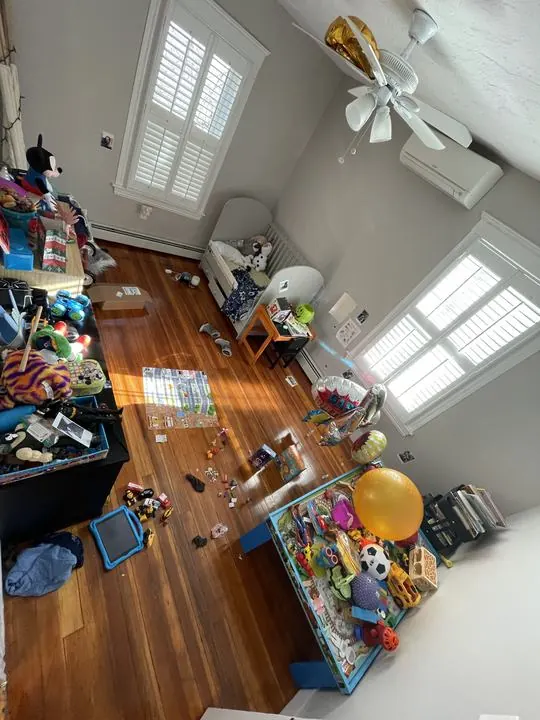
A jobsite has open stairs, cords, nails, screws, cutting tools and strangers coming and going. A child's curiosity and a dog's nose both end up in the wrong place.
For kids:
- Use a firm barrier at the zip wall, not only a sheet of plastic. A gate or a door with a latch above their reach works better.
- Pick one clean room as a sleep and play space, and keep it out of the work path.
- Show your kids the line before demo: where they can and cannot go.
- Ask the crew to pick up nails, screws, blades and cords at the end of each day.
For pets:
- The biggest risk is an open door. Workers carry materials in and out all day, and a cat or dog can be gone before anyone notices. Choose one crew door and keep pets in a closed room, a crate or away from the house during active work.
- Tell the crew in writing which door to use, that pets are in the house, and who to call if one gets out.
- Keep pets out of the dust, the fumes and the debris. They may chew insulation, nails or cut-off wire, and they walk through dust and then lick it off their paws.
- Some animals handle noise poorly. A friend's house on demo days may be kinder than a closed room.
What if the house was built before 1978?
Many houses in Somerville, Cambridge, Medford and Boston were. Two things can change the decision to stay.
Lead paint. Under the EPA's Renovation, Repair and Painting rule, a firm paid to disturb painted surfaces in a pre-1978 home must be EPA lead-safe certified and follow lead-safe work practices. Under the federal rule text, that includes plastic on the floors, doors and windows closed, warning signs that tell occupants to stay out of the work area, plus a cleaning check at the end. Homeowners working on their own home are generally exempt, but the rule applies if you rent out part of the house. Do not dry sand or scrape old paint yourself. My lead paint and renovation guide goes deeper.
Asbestos. Old floor tile, pipe wrap, plaster and some insulation can contain asbestos. Under MassDEP's asbestos rule (310 CMR 7.15), a building owner generally has to have a licensed asbestos inspector survey the building before demolition or renovation. The exemptions are narrow and do not cover rentals or multifamily buildings, so check the current rule with MassDEP or ask your builder what applies to your job. Testing and removal are for licensed professionals. See asbestos floor tiles in older homes.
If lead-safe or asbestos work is happening in the part of the house you live in, many families choose to leave for those days.
When should you leave, and what changes in winter?
Pack a bag, or leave for the whole job, if any of these apply:
- Floor finishing. Sanding is dusty and finishes can smell strongly. Ask your finisher for the product's data sheet, and for how long the floors must stay clear of feet and furniture. Hardwood refinishing is a common reason people spend a few nights away.
- Lead-safe or asbestos work in the area where you live.
- A newborn, a pregnant household member or someone with asthma or another breathing condition. Ask your doctor what they recommend, and give the plan to your builder.
- No second bathroom, or no safe path to the bedroom.
Where to stay: family, a short-term rental for two weeks, or a rotation. Ask your builder for the dates of the dustiest and smelliest phases, and move out for those, then move back for the quieter ones.
The winter problem. In July you open windows to vent dust and fumes. In January you can't, or you lose heat and pipes can freeze. So plan for it: run negative air through a window opening that you seal around, ask which rooms will stay heated, and keep your own rooms warm. Heat in the work area also matters for plaster, joint compound and paint, which have their own temperature limits in the instructions. See winter renovation projects for what suits this time of year, and frozen pipes if the heat will be off in any room.
Not sure whether to stay or go?
Put it in the contract, not in your head. A good scope lists the phases, the shutoffs, who sets up containment and cleaning, which door the crew uses and the working hours. See what a Massachusetts home improvement contract must include.
I'm Mateus, a licensed builder in Davis Square. Since 2020 I've renovated and managed over $5 million in projects around Somerville and Greater Boston. If you are weighing a project and want to know what it would mean for life at home, book a free walkthrough and we'll plan the phases together.
Frequently asked questions
Can you live in your house during a renovation?
Often yes, especially if the work is in one area and you can seal it off with a zip wall and keep a bathroom and a place to sleep. It gets hard during demolition, drywall sanding and floor finishing, and when the work involves lead-safe or asbestos procedures.
How do you control dust during a renovation?
Use a zip wall between the work and the rest of the house, a fan that pulls air from the work area to the outside, floor protection and covered vents, and ask for a HEPA vacuum at the end of every work day. It reduces dust a lot, but it does not remove all of it.
How do you live without a kitchen during a remodel?
Set up a temporary kitchen in another room before demolition: a fridge, a microwave or toaster oven, a hot plate or slow cooker on separate circuits, and a bathroom or laundry sink for washing up. Plan simple meals and expect some takeout.
Is it safe to live in a house with lead paint during renovation?
If the work disturbs lead paint, it should be done by an EPA lead-safe certified firm, with plastic containment, signs and a cleaning check. The federal rule calls for warning signs telling occupants to stay out of the work area. Many families leave for the days when paint is being disturbed. Ask your builder and read the EPA's pamphlet.
How do you keep pets safe during a renovation?
Choose one door for the crew, keep pets in a closed room or elsewhere while workers come and go, and tell the crew in writing that animals are in the house. Keep pets away from dust, insulation, nails and wire scraps, and plan for boarding on the loudest days.
Can I open windows to vent dust in winter?
Not like in summer. Opening windows in January lets in cold that can hurt heating and freeze pipes. Plan a sealed window-fan setup for negative air, closed zip walls and extra cleaning, and consider staying elsewhere on the dustiest days.
See everything I do, how I price work and the towns I work in.
Read this next
 Hiring & PlanningHow long does a kitchen remodel take? A phase-by-phase Greater Boston timelineHow long does a kitchen remodel take in Somerville and Greater Boston? A phase-by-phase timeline: design, permits, cabinets, inspections and counters.4 min read · Keep reading →
 Permits & RulesConstruction hours, noise and dumpster permits in Somerville: what owners should knowSomerville's allowed construction hours, how street and driveway dumpster permits work, placement rules, and how to report problems through 311.4 min read · Keep reading →
 Home Care & SafetyRenovating a pre-1978 home? What lead-safe work means for youMost Greater Boston homes were built before 1978. Here's what the lead-safe rules require, what it looks like on site, and how to protect your family.3 min read · Keep reading →
 Home Care & SafetyAsbestos floor tiles: how to tell, what to do, and Massachusetts rulesAsbestos floor tiles: how to tell if old 9x9 tiles may contain it, why never to sand them, testing, and MassDEP rules for Somerville and Boston homes.4 min read · Keep reading →
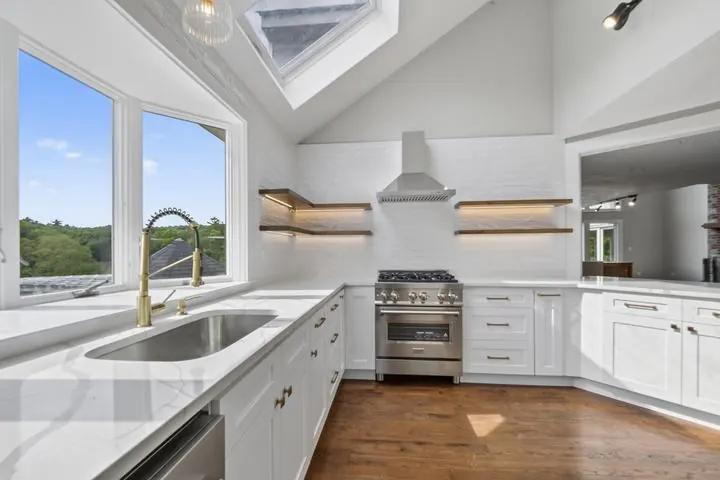 Home Care & SafetyRenovating in winter in Somerville: which projects make sense and which to wait onPlanning a winter renovation in Somerville? Which interior projects work in the cold, which to save for spring, and how to line up permits now.3 min read · Keep reading →
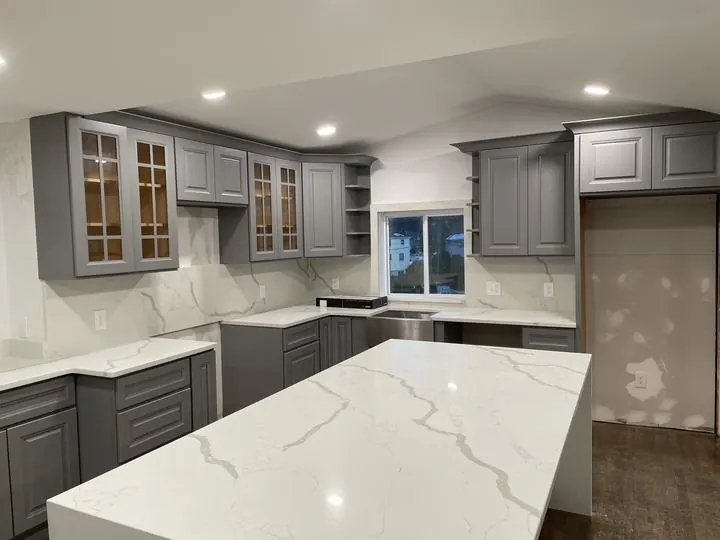 Kitchens, Baths & ExteriorsKitchen remodel mistakes I see in Greater Boston homes, and how to avoid themKitchen remodel mistakes I see in Somerville and Greater Boston: layout, venting, old wiring, cabinet orders, permits, lead dust, schedules. Worth it?4 min read · Keep reading →
Mateus Magno founded Magno & Co in 2020. He is a licensed Massachusetts Construction Supervisor (CS-123658), registered Home Improvement Contractor (HIC #220484) and certified Lead-Safe Renovator Supervisor who has renovated and managed over $5 million in projects across Greater Boston.
More about Mateus →