

















Can I fire my contractor? A Massachusetts homeowner's guide to ending a renovation
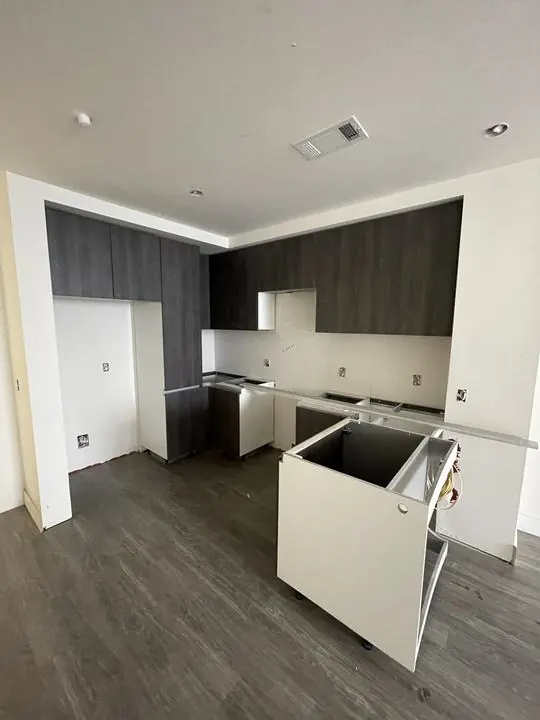
The crew still shows up, but the work is wrong or late and you want out. Here is the order to do it in, and where homeowners trip.
 Mateus Magno
Licensed Construction Supervisor · November 18, 2026 · 9 min read

The crew is still showing up, but the work is wrong, the schedule has slipped and every conversation ends in an argument. You want to end it, and you're afraid that if you do it wrong you'll be sued, liened or left with a half-done house. Here is the order I'd work in, and the places where homeowners get hurt.
I'm a builder, not a lawyer. This is general information, not legal advice, and I'd talk to a Massachusetts attorney before you send anything that says "you're terminated." If your contractor has stopped showing up altogether, that's a different problem, and my ghosted contractor plan covers it.
Can you fire a contractor in Massachusetts?
Yes, you can end the relationship. The harder question is whether you can do it without owing the contractor money or an argument in court. That depends on three things: what your contract says, whether the contractor really failed to perform, and how you handle the exit.
I looked for a Massachusetts statute that sets a number of days a contractor must be given to fix problems before you terminate a residential job. I couldn't find one. The honest answer is that it depends on your contract, which is why the first step below is reading it.
Here's what the statute does give you. Under M.G.L. c.142A, section 2, a home improvement contract over $1,000 has to be in writing. The contractor can't demand final payment until the contract is completed to the parties' satisfaction, and a contract can't waive the owner's rights under the chapter.
Is this really a reason to fire, or a reason to talk?
Before you end anything, sort what's bothering you. Some problems call for a firm written notice. Others call for a meeting and a punch list. Treating the second kind like the first is how a small fix turns into a lawsuit.
| What's happening | Usually points to |
|---|---|
| Work that is unsafe, fails an inspection or doesn't match the written scope | Written notice of the defect and a request to correct it |
| Missed start or finish dates written in the contract | Written notice that points to the dates, and a new schedule in writing |
| Contractor asks for payment ahead of the work done | Say no in writing, and offer to pay for work that is complete |
| Style complaints, personality clashes, slow replies | A meeting, a punch list and a change order for anything new |
| You changed your mind about the design or budget | A change order or a negotiated exit. This isn't "cause." |
If you've asked for changes verbally, write them down. My post on the change order shows how, because "you added it" is the most common reply a contractor gives.
Step 1: Read the contract before you do anything else
Find your signed contract and read it with a highlighter. You're looking for:
- A termination clause. Who can terminate, for what reasons and how.
- Notice and cure language. Many contracts require written notice and a set time to fix a problem. Whatever number your contract says is the number that matters. Don't guess.
- How notice must be delivered. Some contracts say certified mail, some say email.
- The payment schedule. What was due at each stage, and what you've paid.
- An arbitration or dispute clause. It can decide where a fight goes.
- A legal fees clause. Some contracts make the losing side pay.
If the contract is vague or missing pieces, ask your attorney what a gap against c.142A, section 2 means for your situation, and don't assume it ends your obligations. Compare it to my home improvement contract checklist. My deposit rule post explains the cap on advance payments.
If you signed without a lawyer's eyes on it, the ebook How to Hire a Contractor Without Getting Burned has the contract checks I'd use next time.
Step 2: Document the problems and get a second builder's opinion
Your position is only as strong as your paper. This week:
- Photograph and video the whole site with dates, including the work you think is wrong.
- Build a timeline. Dates promised, dates missed, and what was said. After any call, email a short recap.
- Build a payment log. Date, amount, method and what each payment was for.
- Check the contractor's registration and license on the state's MA Contractor Hub and save a dated screenshot. My license lookup guide shows how.
Then hire a second licensed builder, or an independent inspector, to write down what they see. Ask for a written assessment that separates work that is fine, work that is wrong and must be redone, and work not started. It should also note permit and inspection status and give a rough price to finish, labeled as an estimate.
That document does two things. It tells you whether you're right about the work, which is worth knowing before you escalate. And it's the evidence a lawyer, an arbitrator or a judge will ask for if this goes further.
What do you owe a contractor you're letting go?
This is where "what it can cost you" lives. Withholding money feels like leverage, but it can also be the thing that makes you the party in breach.
- Pay for work that was completed and is acceptable. Use your payment log and the second builder's assessment to work out a fair number.
- Don't withhold more than the problem is worth. If the defects cost $4,000 to fix, holding back $25,000 invites a fight you may lose.
- Don't pay ahead. The statute says final payment can't be demanded until the contract is completed to the parties' satisfaction. That protects you from paying for work that isn't done.
- Watch the escrow rule. A contract can't include an acceleration clause that makes the unpaid balance due because the contractor feels insecure. The statute instead lets the contractor ask that the remaining funds you're holding go into a joint escrow account that needs both signatures, as a condition of continuing work. If you refuse everything, you may be handing them an argument.
A contractor who feels wrongly terminated may claim you owe money for work done or for the contract balance. Whether that claim has merit depends on the facts, the contract and a court. That's one more reason to have a lawyer read your letter first.
Secure the site: keys, tools, permits and drawings
Once you've decided to end it, protect the house. This part is entirely in your control.
| Item | What to do |
|---|---|
| Keys, lockbox codes, alarm codes | Change them the day the termination takes effect. Ask for any copies back in the letter. |
| Contractor's tools and materials | Photograph and list what's on site. Don't throw anything out, sell it or hold it hostage. Arrange a pickup time in writing. |
| Permits | Call the building department. Ask which permits are open, who holds them and what inspections passed. Ask how a change of contractor is handled before you pull or move anything in your name. A homeowner who obtains their own permit is excluded from the Guaranty Fund provisions, per c.142A, section 2. |
| Plans, drawings, product selections | Ask for copies in the letter. Collect warranties, manuals and paint or tile specs. |
| Open walls, roof or utilities | Get temporary protection from a licensed pro. In late November, weather damage grows every week. |
| Electrical, gas or plumbing left half done | Don't touch it. Have a licensed electrician, gas fitter or plumber make it safe. For a gas smell, leave and call 911 or the gas utility. |
Somerville owners can start with the building permit guide.
Liens: what a fired contractor and their subs can file
This is the part that scares people most, and it's worth understanding in outline. Massachusetts lets contractors and suppliers protect their right to be paid by recording paperwork against the property. I read the statutes on malegislature.gov, and here is my plain-English read. Check the details with your attorney.
- The contractor can claim a lien. Under c.254, section 2, a person with a written contract with the owner can record a notice of contract at the registry of deeds. That can happen after the contract is signed, even before work starts.
- Subcontractors and suppliers can too. Under c.254, section 4, they record a notice of contract and give you actual notice. Their lien can't exceed the amount due or to become due under the original contract when you receive that notice. That's another reason not to prepay.
- The owner may need to record a notice of termination. Under c.254, section 2B, if a covered contract ends before a notice of substantial completion is recorded, the owner records a notice of termination and mails copies by certified mail to the contractor and to anyone who recorded a notice of contract. Lien filing deadlines in sections 2, 4 and 8 can run from it, and it's easy to get wrong. Ask your lawyer whether and how to file one.
The practical protection is paperwork before the fight starts. Ask for a list of every subcontractor and supplier. Ask for lien waivers when you pay. Section 32 of c.254 contains a statutory form for partial waivers, so ask your attorney which form fits your situation. Keep every waiver you receive.
If you're pursuing money from the contractor, the other routes still exist. My Guaranty Fund guide covers the last-resort fund for registered contractors, and the ghosting post covers complaints and the c.93A demand letter.
Sending the termination letter
Don't send this one yourself on a bad day. Have a Massachusetts construction or real estate attorney read it first. A good letter is calm, short and factual. It usually covers:
- The contract, the address and the date.
- The specific problems, with dates and a pointer to the contract clause.
- What the contractor was asked to do, when, and what happened.
- Whether you're giving a chance to fix things and by when, as your contract requires.
- If you're terminating, the effective date and how you'll handle final accounting.
- Site access, keys, tools and where to send plans and records.
- A request for a subcontractor and supplier list, and for lien waivers for payments made.
Send it the way the contract says, and keep proof of delivery. If the dispute is smaller than the cost of a fight, a negotiated exit can beat a termination: the contractor stops, you agree on a number for work done, and both sides sign a short release. Your lawyer can write that too.
For the unpaid-subcontractor case in more detail, see how liens, deadlines and waivers work.
Want a second opinion before you decide?
I'm Mateus, a licensed Massachusetts builder in Davis Square. Since 2020 I've renovated and managed over $5 million in projects around Somerville and Greater Boston. If you can't tell whether the work in your house is wrong or just ugly, book a free walkthrough and I'll tell you what I see. I won't tell you whether to fire anyone, because that's a call for you and your attorney. If you want help managing the rest of a job, my project management work is $65 an hour.
Frequently asked questions
Can I fire my contractor in the middle of a renovation in Massachusetts?
You can end the contract, but doing it badly can cost you. Read the termination clause, document the problems, get a written assessment from a second licensed builder and have a Massachusetts attorney review your written notice. Whether the contractor must be given a chance to fix problems, and for how long, depends on your contract.
Is there a required cure period for residential contractors in Massachusetts?
I couldn't find a Massachusetts statute that sets one number of days for residential jobs. Your contract's termination and notice language is what you work from, so read it and have a lawyer confirm before you send a notice.
Do I have to pay a contractor I fire?
You generally owe fair payment for work that was actually completed and acceptable. Under M.G.L. c.142A, section 2, a contractor can't demand final payment until the contract is completed to the parties' satisfaction, but withholding far more than the problems are worth can create a dispute against you.
Can a fired contractor put a lien on my house?
A contractor with a written contract can record a notice of contract at the registry of deeds under M.G.L. c.254, section 2, and subcontractors and suppliers can do the same under section 4. Subcontractor liens are capped at the amount due or to become due under the original contract when you receive notice. A lawyer can tell you how this applies to your job.
What is a notice of termination under c.254?
Section 2B says that when a covered contract ends before a notice of substantial completion is recorded, the owner records a notice of termination at the registry of deeds and mails copies by certified mail to the contractor and to anyone who recorded a notice of contract. Ask an attorney whether it applies to you and how to file it.
What should I do with the keys, plans and permits when I end the contract?
Change locks and codes the day termination takes effect, photograph and list tools and materials, arrange pickup in writing, ask for plans, warranties and product selections, and call the building department about open permits before you pull or move any permit in your own name.
See what I do as an owner's representative and how I price work.
Read this next
 Hiring & PlanningContractor ghosted you? A week-by-week plan for Massachusetts homeownersDeposit paid, house half torn up, no callbacks. Here is what to do in the first 7 days and the weeks after, from a Somerville builder.9 min read · Keep reading →
 Hiring & PlanningMassachusetts home improvement contract requirements: what must be in writingMassachusetts home improvement contract requirements under c. 142A: required terms, notices and your 3-day right to cancel, from a Somerville builder.4 min read · Keep reading →
 Hiring & PlanningMy contractor didn't pay his subs: can they put a lien on my house?You paid in full and a subcontractor is now calling. Here is how Massachusetts mechanic's liens work, the deadlines, and what to do at each payment.8 min read · Keep reading →
 Hiring & PlanningThe Massachusetts HIC Guaranty Fund: who qualifies, how much it pays and how to claimMassachusetts HIC Guaranty Fund: up to $25,000 if a registered contractor won't pay a judgment. Who qualifies and how to claim, from a Somerville builder.4 min read · Keep reading →
 Hiring & PlanningChange orders in construction: what they are and how to handle them in an old houseChange order construction basics for Somerville and Cambridge homeowners: why change orders happen in old houses, what to put in writing and the red flags.4 min read · Keep reading →
 Hiring & PlanningMassachusetts Contractor License Lookup: How to Check HIC, CSL and Lead-Safe StatusMassachusetts contractor license lookup made simple: check HIC registration, CSL license, the Guaranty Fund and lead-safe status before a Somerville job.4 min read · Keep reading →
Mateus Magno founded Magno & Co in 2020. He is a licensed Massachusetts Construction Supervisor (CS-123658), registered Home Improvement Contractor (HIC #220484) and certified Lead-Safe Renovator Supervisor who has renovated and managed over $5 million in projects across Greater Boston.
More about Mateus →