










Can I Be My Own General Contractor in Massachusetts? What the Law Allows
Can I be my own general contractor in Massachusetts? Yes, with limits. A Somerville builder explains homeowner permits, licensed trades and trade-offs.
 Mateus Magno
Licensed Construction Supervisor · October 20, 2026 · 4 min read
Can I be my own general contractor? It's one of the most common questions I hear from homeowners in Somerville, Cambridge and Medford. The short answer is yes, Massachusetts allows it for many owner-occupied one- and two-family homes, but it comes with real legal and practical trade-offs.
Below I walk through what the state building code allows, what you give up, which licensed trades you still need, how much work it really is, and a middle path I offer instead.
Can I be my own general contractor in Massachusetts?
The Massachusetts building code (780 CMR) includes a homeowner exemption. Under the 780 CMR Chapter 110.R5 construction supervisor rules, a homeowner doing permitted work is exempt from the construction supervisor licensing requirement. Here is how it works:
- Who counts as a homeowner: someone who owns the land and lives there (or intends to), with a one- or two-family dwelling and its accessory structures.
- If you hire anyone to do the work, you must act as the supervisor yourself.
- Builders don't qualify: a person who builds more than one home in a two-year period is not considered a homeowner under the code.
The state's construction supervisor license guidance confirms that most work on one- to four-family homes otherwise needs a licensed construction supervisor or a registered design professional overseeing it.
Somerville's rule matters for triple-deckers
Each city runs its own permit office, so always check locally. Somerville's ISD Building Division FAQ is very clear:
- If you own a 1 or 2 family home and live there, you may obtain the building permit yourself.
- If the property is a 3 family or more, a licensed contractor must apply for the building permit.
- Homeowners submit proof of residence, an Estimated Cost Affidavit, plans if the work needs them, plus a Workplace Safety Affidavit and a Wage Theft Affidavit.
- Painting, tiling and flooring don't need a building permit; most other interior and exterior work does.
That means if you own one of the classic 1900 to 1930 triple-deckers around Union Square, East Somerville or Teele Square, the homeowner route is off the table for the building permit. For the full process, see my Somerville building permit guide.
What you give up when you pull your own permit
This is the part most people don't know. Massachusetts runs a Home Improvement Contractor Guaranty Fund that can repay eligible homeowners up to $25,000 of actual losses when a registered contractor doesn't pay a court judgment or arbitration award. But the Guaranty Fund eligibility rules require that the contractor, not the homeowner, secured the building permit.
The state's HIC arbitration page adds that if you pulled your own permit, you may still qualify for arbitration but may not be eligible for payment from the Fund.
You also become the person responsible for code compliance, scheduling inspections and coordinating every worker on site.
Licensed trades you still need
Being your own GC does not let you skip the licensed trades. In Somerville, the same ISD FAQ says a licensed electrician must pull all electrical permits and a licensed plumber must pull all plumbing and gas permits.
- Plumbing and gas: the state plumbers and gas fitters fact sheet says only a licensed master or journeyman plumber with proper permits can do plumbing work at your home. Small repairs like fixing a leaky faucet are the exception.
- Electrical: the electricians fact sheet says only a licensed master or journeyman electrician can legally be hired for electrical work.
- Lead-safe work: most Somerville homes predate 1978, so plan for lead-safe practices. My lead paint guide explains why.
The real workload of acting as your own contractor
On paper it sounds like you just hire a few trades. In practice, on a kitchen or bath gut in a 100-year-old house, you are running a small company. Expect to:
- Write a scope detailed enough that three trades can bid the same job.
- Compare bids line by line and spot what each one left out.
- Sequence the work: demo, framing, rough plumbing and electrical, inspections, insulation, drywall, finishes.
- Book inspections and be home for them.
- Order materials with lead times and track deliveries on tight streets with permit parking.
- Handle surprises behind old plaster: knob-and-tube wiring, notched joists, rot.
- Track every payment, lien risk and change.
If you have a full-time job, that's a second job for months.
The middle path: hire an owner's representative
Many homeowners want control of the budget and the choice of trades, but not the daily coordination. That's what an owner's representative does. I work on your side of the table: I write the scope, collect and level the bids, review the contracts and payment schedule, walk the site and keep the schedule moving. If I build the job, I pull the permit under my licenses. If you hire another registered contractor, that contractor pulls the permit and I oversee the work for you.
Either way the contractor, not you, secures the permit. That matters, because then you keep the Guaranty Fund eligibility the state describes. Read more in what an owner's representative is, or use my contractor hiring checklist if you go it alone.
Not ready to run the whole job? See which jobs are fair to do yourself and which are for licensed pros.
Need a hand?
Whether you want to manage your own project, hire a general contractor or bring me in as your owner's rep, I'll help you pick the right setup for your house. Book a free walkthrough and I'll send a written line-item budget, usually within 48 hours.
Frequently asked questions
Can a homeowner pull a building permit in Massachusetts?
Yes. Under the 780 CMR homeowner exemption, an owner who lives in a one- or two-family home can pull a building permit and supervise the work. Local rules apply, so check with your city's building department first.
Can I pull my own permit for a triple-decker in Somerville?
No. Somerville's Inspectional Services says that for a three-family or larger property, a licensed contractor must apply for the building permit.
Do I lose the Guaranty Fund if I pull my own permit?
Generally yes. The Massachusetts Home Improvement Contractor Guaranty Fund requires that the contractor, not the homeowner, secured the building permit.
Can I do my own plumbing or electrical work in Massachusetts?
In general, no. Massachusetts requires licensed plumbers, gas fitters and electricians for that work, and in Somerville only licensed trades can pull those permits.
See what I do as an owner's representative and how I price work.
Read this next
 Hiring & PlanningWhat an owner's representative does — and when you need oneYou have plans — or a clear idea. Here's who turns them into a finished project, on budget, without you living on the job site.3 min read · Keep reading →
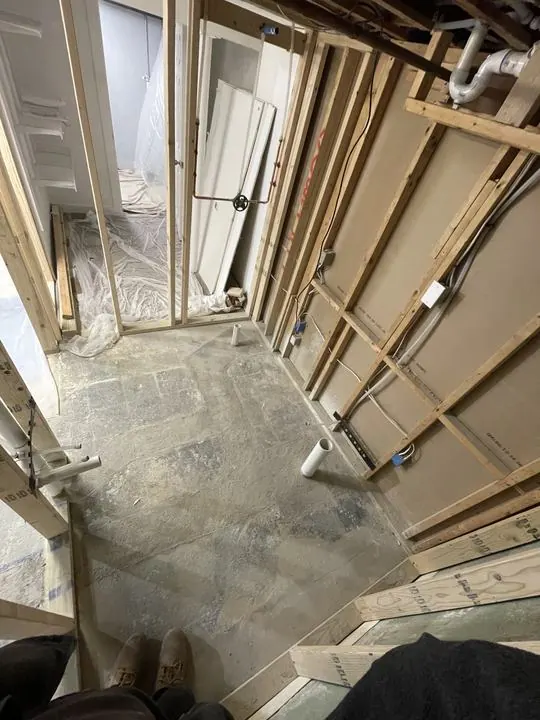 Permits & RulesSomerville Electrical Permit, Plumbing and Gas Permits: Who Can Pull ThemWho can pull a Somerville electrical permit, plumbing or gas permit, what the City's posted fees say, and how rough and final inspections work.4 min read · Keep reading →
 Hiring & PlanningWhat Can You DIY in a Massachusetts Home? A Green, Yellow and Red List From a BuilderPaint and caulk are fine. Tile showers are a gamble. Wiring, gas and structure are for licensed pros. A Somerville builder sorts the jobs.9 min read · Keep reading →
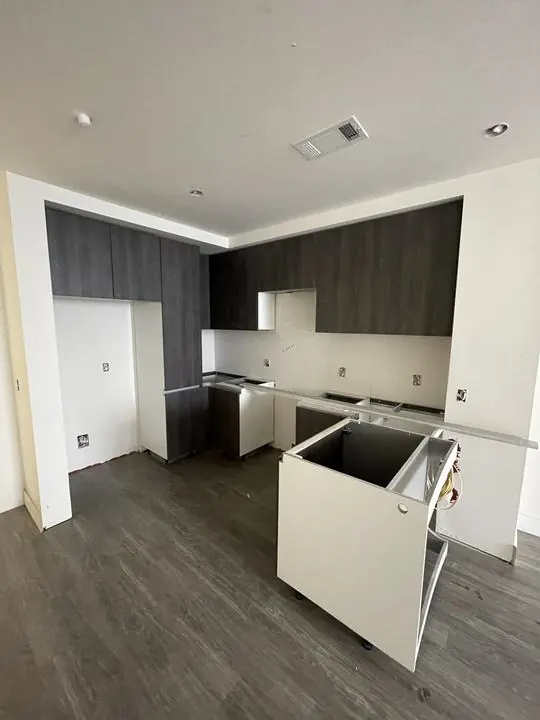 Permits & RulesHow to get a building permit in Somerville: a homeowner's step-by-step guideWho can pull the permit, what you'll need, which jobs need one, and the energy-code rules that apply to Somerville renovations — in plain English.3 min read · Keep reading →
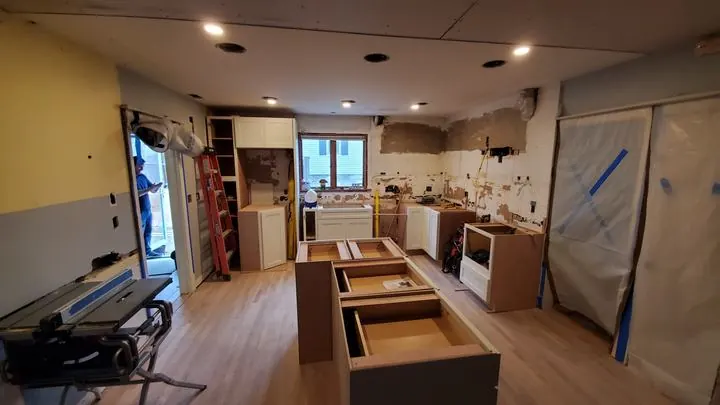 Hiring & PlanningMassachusetts Contractor License Lookup: How to Check HIC, CSL and Lead-Safe StatusMassachusetts contractor license lookup made simple: check HIC registration, CSL license, the Guaranty Fund and lead-safe status before a Somerville job.4 min read · Keep reading →
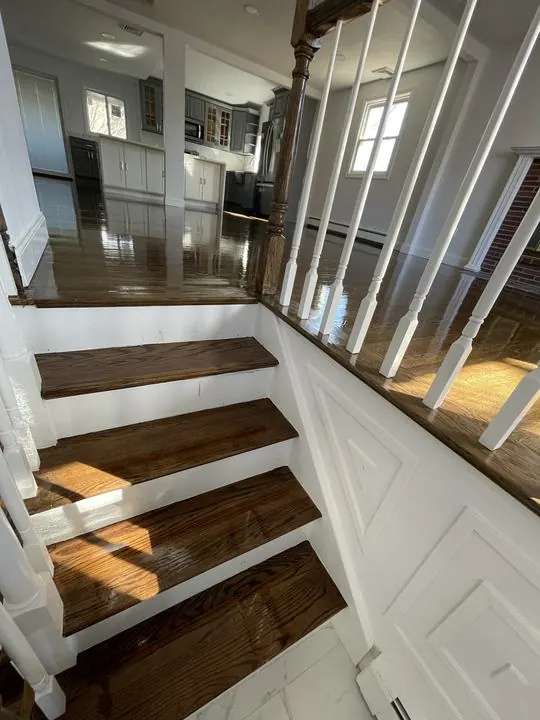 Hiring & PlanningChange orders in construction: what they are and how to handle them in an old houseChange order construction basics for Somerville and Cambridge homeowners: why change orders happen in old houses, what to put in writing and the red flags.4 min read · Keep reading →
Mateus Magno founded Magno & Co in 2020. He is a licensed Massachusetts Construction Supervisor (CS-123658), registered Home Improvement Contractor (HIC #220484) and certified Lead-Safe Renovator Supervisor who has renovated and managed over $5 million in projects across Greater Boston.
More about Mateus →