





Mold in basement: what to do first, what to clean yourself and when to call a pro
Mold in basement, what to do? Fix the moisture first, clean small areas under EPA's 10 sq ft guide, and safely finish a Somerville or Cambridge basement.
 Mateus Magno
Licensed Construction Supervisor · November 2, 2026 · 4 min read
Found mold in your basement? Here's what to do: stop the water first, then clean. EPA's Brief Guide to Mold, Moisture and Your Home puts it plainly: the key to mold control is moisture control. If you clean mold but leave the moisture, it comes back.
Basement mold is common in older Somerville and Cambridge houses. Below is the EPA-based plan I give clients, plus how I finish basements so it doesn't return.
Mold in basement: what to do in the first 48 hours
- Find the source. Look for leaks, seepage at the foundation, a wet floor after rain, sweating pipes or a dryer venting inside.
- Dry it fast. EPA says to dry water-damaged areas and items within 24 to 48 hours to prevent mold growth.
- Lower the humidity. EPA's target is indoor humidity below 60 percent, ideally 30 to 50 percent. A dehumidifier is usually step one in a basement.
- Hold off on the HVAC. EPA says not to run the system if you know or suspect it is contaminated with mold.
Fix the moisture before anything else
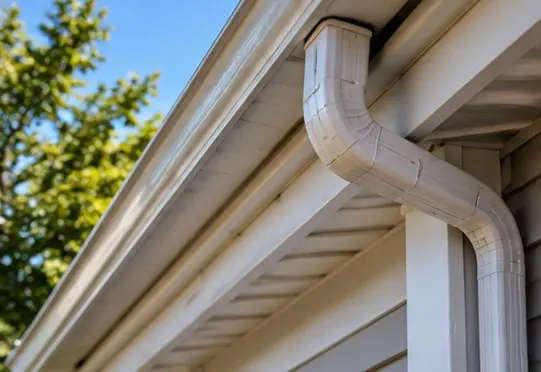
In Greater Boston basements, the moisture usually comes from outside: gutters dumping next to the foundation, soil sloping toward the house, or water pushing through old stone and brick walls. Condensation is the other big one. EPA recommends insulating cold surfaces like cold water pipes and acting quickly when you see condensation on walls, windows or pipes.
I wrote a full guide on this: wet basement repair in Greater Boston. Start there if you see standing water, efflorescence or a damp line on the walls.
What you can clean yourself (the 10 square foot rule)
EPA's guide says you can usually handle the job yourself if the moldy area is less than about 10 square feet, roughly a 3 by 3 foot patch. For that size:
- Wear protection: EPA lists gloves, goggles and an N-95 respirator. Long gloves to mid-forearm and goggles without vent holes are recommended.
- Scrub hard surfaces with detergent and water, then dry completely, per EPA's mold cleanup page.
- Throw out porous materials like ceiling tiles and carpet if they're moldy. EPA notes mold can be difficult or impossible to fully remove from them.
- Go easy on bleach. EPA says chlorine bleach is not recommended as a routine part of mold cleanup, and never mix bleach with ammonia cleaners.
When to call a pro
EPA points to professional help when:
- The mold covers more than 10 square feet, or there has been a lot of water damage.
- The water was sewage or otherwise contaminated.
- You suspect hidden mold behind drywall, paneling or wallpaper. EPA warns that disturbing it, such as pulling wallpaper, can release a large amount of spores.
- Your HVAC system or ducts may be contaminated.
- You have health concerns. EPA says to talk to a health professional before you start.
If you hire someone, EPA says to make sure they have experience cleaning up mold and to check references.
Do you need a mold test? Usually not. EPA says that when mold is visible, sampling is generally unnecessary, and no federal limits exist for mold or spores.
Never paint over mold
EPA is direct: do not paint or caulk moldy surfaces. Clean and dry them first, or the paint will likely peel. I still see "mold-resistant" paint rolled over a fuzzy foundation wall in Somerville basements. It hides the problem for a season and makes the real cleanup harder later.
Finishing a basement without trapping mold
When I finish a basement in Somerville, Medford or Cambridge, the order matters more than the finishes:
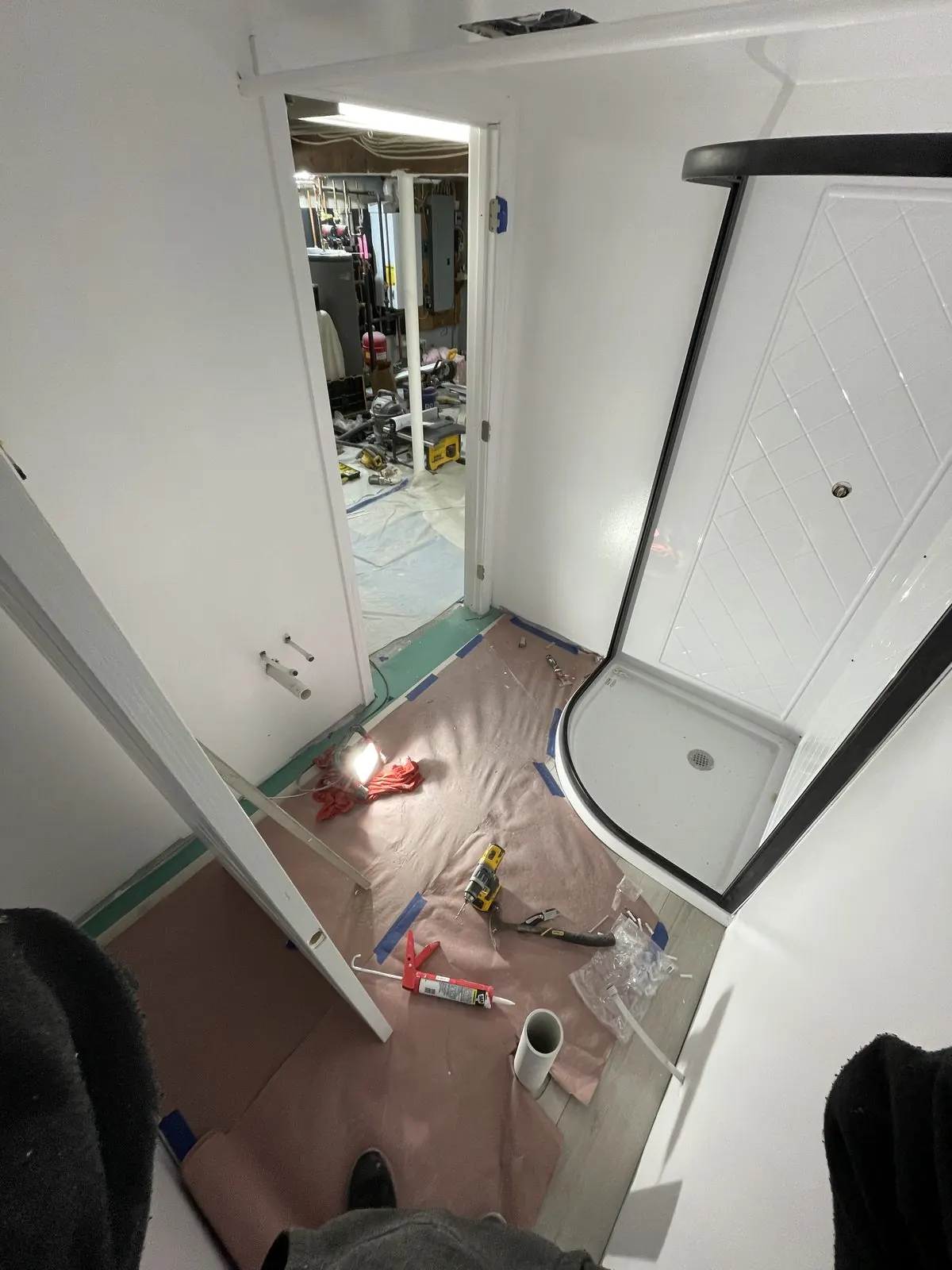
- Dry the space first: gutters, grading, crack repair or drainage, then a dehumidifier.
- Clean any existing mold on hard surfaces and remove moldy porous materials.
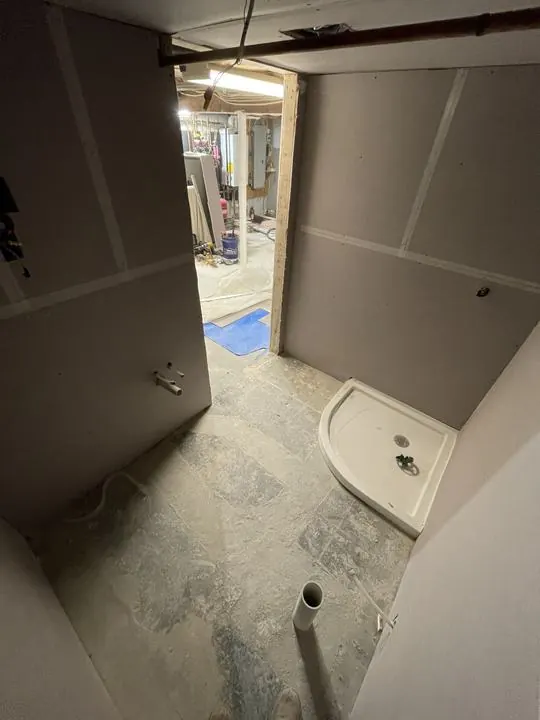
- Test for radon while the walls are open; it's far easier to add a system now.
- Choose moisture-tolerant materials at the floor and foundation walls, and leave no wood touching damp concrete.
- Plan the humidity control as part of the design, not an afterthought.
Every house is different, so I look at the foundation, the drainage and the history of water before I price anything. If the space might become a rental unit, also read my basement apartment rules guide.
Need a hand?
I help homeowners across Somerville, Cambridge and Greater Boston track down basement moisture and finish the space the right way. Book a free walkthrough and I'll send a written line-item budget, usually within 48 hours.
Frequently asked questions
Can I clean basement mold myself?
EPA says you can usually handle it yourself if the moldy area is less than about 10 square feet. Wear gloves, goggles and an N-95 respirator, and scrub hard surfaces with detergent and water.
Should I use bleach on basement mold?
EPA says bleach is not recommended as a routine part of mold cleanup. Never mix bleach with cleaners that contain ammonia.
Can you paint over mold in a basement?
No. EPA says not to paint or caulk moldy surfaces; clean and dry them first or the paint will likely peel.
Do I need to test for mold in my basement?
Usually not. EPA says sampling is generally unnecessary when mold is visible, and there are no federal limits for mold or mold spores.
See everything I do, how I price work and the towns I work in.
Read this next
 Home Care & SafetyWet basement repair in Greater Boston: causes and fixes, from cheap to expensiveWet basement repair in Greater Boston: why old Somerville homes leak, fixes from gutters to waterproofing, national costs and engineer red flags.4 min read · Keep reading →
 Home Care & SafetyMassachusetts radon testing: how to test, what the levels mean and how mitigation worksMassachusetts radon testing made simple: when to test, what 4 pCi/L means, and how mitigation works before finishing a basement in Somerville or Cambridge.4 min read · Keep reading →
 Costs & BudgetsBasement finishing cost in Massachusetts: real Boston numbers and what drives themBasement finishing cost in Massachusetts: the 2025 Boston Cost vs. Value number, moisture, ceiling height, egress and Somerville permit rules.4 min read · Keep reading →
 Home Care & SafetyAsbestos floor tiles: how to tell, what to do, and Massachusetts rulesAsbestos floor tiles: how to tell if old 9x9 tiles may contain it, why never to sand them, testing, and MassDEP rules for Somerville and Boston homes.4 min read · Keep reading →
 Home Care & SafetyKnob-and-tube, vermiculite and other attic surprises: what to fix before you insulate an older Greater Boston homeOld wiring or gray pebbles in your attic? What knob-and-tube and vermiculite mean for insulating a Somerville, Cambridge or Boston home.3 min read · Keep reading →
 Kitchens, Baths & ExteriorsGutter replacement cost in Greater Boston: aluminum, copper and wood gutters on old homesGutter replacement cost in Greater Boston: national prices by material, seamless aluminum vs copper vs wood on Somerville homes, downspouts and fascia rot.4 min read · Keep reading →
Mateus Magno founded Magno & Co in 2020. He is a licensed Massachusetts Construction Supervisor (CS-123658), registered Home Improvement Contractor (HIC #220484) and certified Lead-Safe Renovator Supervisor who has renovated and managed over $5 million in projects across Greater Boston.
More about Mateus →